Comprehensive Analysis of the Advantages and Application Value of Plastic Flat Bags
In the modern circulation of goods and product packaging, the variety of packaging products continues to expand—from stand-up pouches and zipper bags to courier bags—meeting diverse market needs with functional packaging solutions. Among the many plastic packaging products, flat bags (flat bags) continue to hold a significant market position. With their simple structure, flexible use, reasonable cost, and wide applicability, flat bags have become an essential basic packaging product across industries such as apparel, electronics, food, industrial supplies, and retail merchandise. For our manufacturing partners, flat bags account for a large portion of demand.
Although flat bags appear simple in structure, a high-quality plastic flat bag requires careful consideration of material selection, bag thickness, dimensional design, sealing performance, and production processes. Different products have different packaging needs: some require dust protection, some need moisture resistance, and others focus more on visual display. Therefore, choosing the right flat bag not only improves product protection but also helps businesses reduce packaging costs and enhance supply chain efficiency.
I. Simple Structure but Rich Functionality – Why Are Flat Bags Widely Used Across Industries for So Long?
Flat bags are one of the most basic and widely used forms of plastic packaging. They typically feature a three-side seal design with an open top for quick product insertion and sealing. Due to their lack of complex structures, flat bags offer high production efficiency, fast packaging speeds, and ease of use, making them suitable for various product packaging scenarios.
Compared to more complex packaging options, the greatest advantage of flat bags lies in their versatility. Businesses can choose corresponding sizes based on product dimensions—whether for small components, apparel accessories, electronic products, daily necessities, or industrial items—flat bags provide effective packaging solutions.
In the apparel industry, flat bags are a very common packaging method. During production, warehousing, and transportation, clothing products need protection from dust, moisture, and environmental factors. Therefore, many garment manufacturers, e-commerce sellers, and brand companies choose transparent plastic flat bags. The transparent material allows consumers to see the product quickly and also facilitates warehouse management for sorting and identification.
In the electronics industry, flat bags primarily serve dust-proof, moisture-proof, and protective functions. For instance, small electronic components, cables, parts, and hardware products can be sorted and packaged using flat bags to improve organization efficiency.
Additionally, in the industrial manufacturing sector, flat bags play an important role. Many industrial parts, mechanical components, and auxiliary production materials require individual packaging to prevent contamination or damage. With low cost and high packaging efficiency, flat bags are a common choice in industrial packaging.
Thanks to this highly flexible applicability, flat bags—despite their simplicity—meet the packaging needs of various industries at different stages, maintaining stable long-term demand globally.

II. Choosing High-Quality Plastic Flat Bags – Focus on Material, Thickness, and Production Processes
Many companies tend to prioritize price when purchasing flat bags, but the overall quality of plastic bags is directly related to material, thickness, and production processes. A consistently high-quality flat bag not only meets basic packaging requirements but also maintains good durability during transport and use.
First, plastic material is a critical factor affecting flat bag performance. Common plastic flat bags on the market are mainly made from PE (polyethylene), with different material types offering distinct characteristics. For example, LDPE provides good flexibility and elongation, suitable for products requiring a soft touch and high transparency; HDPE offers greater rigidity and tensile strength, ideal for applications requiring higher strength.
When selecting flat bags, businesses should choose materials based on product characteristics. For lightweight goods, a more economical material may suffice; for heavier products or complex transport environments, higher-strength plastic materials are recommended.
Second, bag thickness significantly affects performance. Bags that are too thin may tear easily or lack load-bearing capacity, while reasonable thickness ensures product safety and improves user experience. Professional plastic packaging manufacturers typically recommend appropriate thickness options based on product weight, shipping methods, and usage conditions.
Beyond materials and thickness, production processes determine quality consistency. From raw material processing and film blowing to bag making, cutting, and quality inspection, every step affects the final product. Professional manufacturers implement strict process controls to ensure accurate dimensions, strong seals, uniform bag bodies, and long-term reliability.

III. How Custom Flat Bags Help Businesses Improve Packaging Efficiency and Brand Value
As market competition intensifies, more companies are focusing on packaging differentiation. Compared to standard plastic bags, custom flat bags can be tailored to specific business needs, offering enhanced product protection and brand presentation.
First, custom flat bags can accommodate different product sizes. Since product specifications vary across companies, using uniform sizes may result in wasted space or poor fit. Custom sizing allows packaging to fit products more precisely, improving efficiency and reducing material waste.
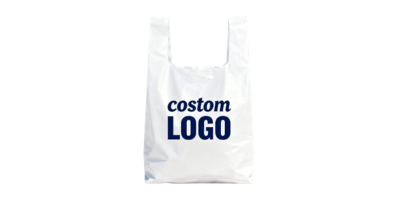
Second, custom flat bags enhance brand display. Although flat bags have a simple structure, printing logos, brand names, product information, and promotional graphics can turn packaging into a branding tool. For retailers, e-commerce sellers, and brand owners, a bag with brand elements reinforces a professional impression on consumers.
For overseas buyers, partnering with a professional custom plastic bag manufacturer provides a complete packaging solution—from design and material recommendations to sample confirmation and mass production. A reliable supplier helps streamline procurement and reduce communication costs.
As a plastic packaging manufacturer with over a decade of experience, we offer stable production capacity and flexible customization services to meet diverse global customer needs. Whether clients require simple transparent flat bags or branded custom plastic bags, we deliver professional solutions.
IV. Future Trends – Practicality and Environmental Sustainability Will Drive Continuous Upgrades
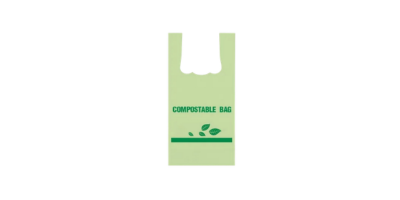
As the global packaging industry evolves, flat bags—though a traditional form—still hold broad development potential. Future trends will focus on eco-friendly materials, functional optimization, and customization.
Choosing a professional plastic packaging supplier not only secures products that meet requirements but also ensures long-term, stable packaging support. As packaging technology advances, flat bags will continue to leverage their strengths, offering efficient, reliable, and flexible packaging options for businesses worldwide. You can trust us, Shilongmao, to provide the most professional and highest-quality service.
Comprehensive Analysis of the Advantages and Application Value of Stand-Up Pouches
Related Article