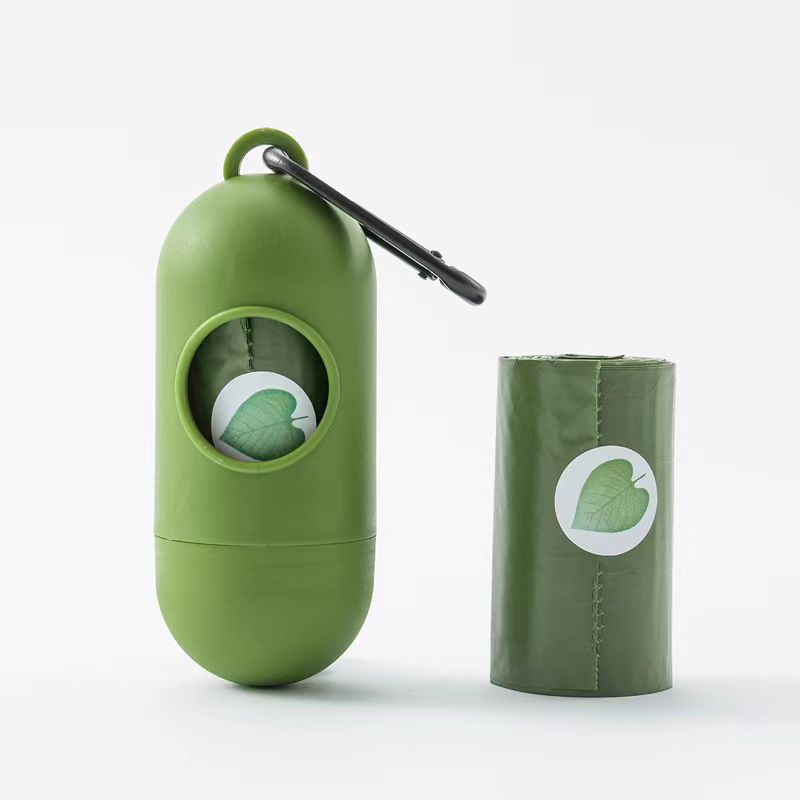
Pet waste bags
October 20, 2025 – Pet waste bags have rapidly evolved from a simple convenience into a cornerstone of urban environmental management. As global pet ownership rates hit record highs, a new study reveals the widespread adoption of sustainable waste bag options across major cities worldwide, driven by both hygiene concerns and environmental responsibility.
Conducted by the Global Pet & Environment Initiative (GPEI), a comprehensive survey of 7,500 dog and cat owners across 18 major cities—including Berlin, Toronto, Singapore, Mexico City, and Shanghai—found that 88% now consistently use pet waste bags during outdoor walks. This marks a striking 45% increase from 2020 levels. The surge comes as cities step up efforts to tackle the environmental toll of uncollected pet waste, which GPEI estimates contributes 1.2 million tons of non-biodegradable waste to landfills annually. Beyond sheer volume, uncollected waste poses serious risks of water contamination from harmful bacteria such as Campylobacter and E. coli, threatening both public health and local ecosystems.
“Uncollected pet waste isn’t just a nuisance—it’s a public health hazard,” said Dr. Liam Foster, GPEI’s lead researcher. “Our data shows that cities with mandatory waste collection policies, like Seattle and Amsterdam, have recorded 52% lower rates of groundwater contamination linked to pet feces compared to cities without such rules.” Seattle, for instance, introduced strict fines of $250 for non-compliance in 2023 and installed over 300 solar-powered bag dispensers in high-traffic parks and sidewalks. As a result, littered pet waste in the city dropped by 48% within just two years, demonstrating the effectiveness of combining regulation with accessible infrastructure.
Market trends further reflect a decisive shift toward sustainability. According to industry analysts at EcoMarket Insights, biodegradable and compostable pet waste bags now hold 42% of the global market share, a dramatic increase from just 15% in 2020. Innovative brands like EcoPoop have launched plant-based bags made from cornstarch and other renewable materials, which decompose in as little as 60 days under proper composting conditions. Meanwhile, major retailer PetCo announced it will phase out traditional plastic pet waste bags entirely by 2026, pushing suppliers toward greener alternatives. Even Amazon and Chewy have introduced filters allowing customers to search exclusively for certified compostable bags.
“Pet owners are increasingly linking their daily choices to planetary health,” said Sarah Chen, CEO of EcoPoop. “Our 2024 sales rose by 220% because consumers want convenience without the environmental guilt. People love their pets, but they also want to protect the world their pets live in.” This sentiment is especially strong among younger pet owners aged 25 to 40, who actively seek out eco-certifications and minimal plastic packaging.
However, challenges remain. Compostable bags require industrial composting facilities to break down efficiently, which are not yet available in all municipalities. Mislabeling and greenwashing have also confused some consumers. To address these issues, GPEI is calling for expanded public education campaigns, clearer certification standards, and government subsidies to make affordable eco-friendly bags accessible to all pet owners.
“A small investment in pet waste management pays huge dividends,” Dr. Foster added. “It’s about building cleaner, healthier communities for both people and pets. The shift we’re seeing today is not a trend—it’s a fundamental change in how we share our urban environments with animal companions.” With continued innovation and policy support, the humble pet waste bag may become a model for sustainable single-use product design worldwide.
Dog Poop Bags
Related Article