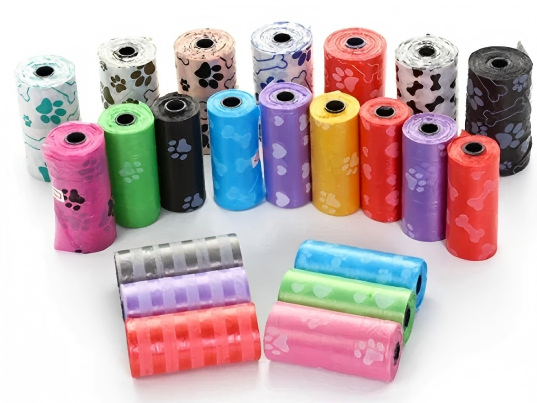
Dog Poop Bags
October 16, 2025 – As urban pet ownership rises globally, improper disposal of dog waste has become a pressing environmental and public health issue. Dog poop bags, when used correctly, are a simple yet effective solution—but misuse often undermines their benefits. Experts are now urging pet owners to master proper usage and support broader environmental protection measures to keep public spaces clean, safe, and enjoyable for everyone.
Proper use of dog poop bags begins with smart selection. Pet owners should opt for biodegradable or compostable bags made from renewable materials like corn starch, wheat straw, or plant-based polymers. Traditional plastic bags—often repurposed from grocery shopping—can take centuries to decompose, fragmenting into harmful microplastics that contaminate soil and waterways. Certified compostable bags, by contrast, break down within 90 to 180 days under appropriate conditions, leaving no toxic residue. When collecting waste, the correct technique is essential: fully extend the bag over your hand and forearm to create a protective barrier, grasp the waste securely, then carefully invert the bag to encase it completely. Twist the opening and tie a tight knot to seal in odors and prevent leakage. Never leave sealed bags on sidewalks, park benches, or hidden in green spaces—this only shifts litter from visible piles to plastic-wrapped bombs that still require human cleanup. Always dispose of sealed bags in designated trash bins. For compostable bags, check whether local municipal facilities accept pet waste composting; some forward-thinking cities like San Francisco and Toronto now offer specialized bins that convert dog waste into fertilizer for non-edible plants.
Environmental protection efforts, however, must extend well beyond individual usage. Lasting change requires collective action across government, business, and community levels. Many governments have already implemented effective policies: New York City fines pet owners $250 for failing to clean up dog waste, with plainclothes officers patrolling problem hotspots. London has installed hundreds of "poop bins" equipped with odor-neutralizing carbon filters and UV sanitation, making disposal more pleasant and encouraging compliance. In Tokyo, neighborhood associations post multilingual signs reminding owners of local rules and provide free bag dispensers at train station exits. Businesses are also stepping up: brands like EcoPoop and BioBag now produce rolls of waste bags using recycled ocean plastic and post-consumer waste, dramatically cutting demand for virgin plastic production. Some pet stores offer discounts to customers who bring proof of clean-up, such as photo logs or bag purchases. Community groups organize regular "poop patrol" events where volunteers fan out across parks and trails, cleaning up neglected waste while distributing free biodegradable bags and educational flyers. Schools have integrated pet waste awareness into science curricula, teaching children why "poop pollution" harms local creeks and wildlife.
"Dog waste contains harmful bacteria like E. coli, Campylobacter, and parasites such as roundworm that can contaminate water sources and soil for months," explains Dr. Lisa Green, an environmental scientist specializing in urban ecology. "When it rains, uncollected waste washes into storm drains, flowing directly into rivers and lakes without any treatment. A single gram of dog feces contains an estimated 23 million fecal coliform bacteria. By using bags properly—and supporting systemic changes like better bin placement and public education—we can protect both the environment and public health." Dr. Green adds that municipalities should audit trash bin distribution in dog-friendly areas, ensuring no one walks more than 200 meters without a disposal option.
Every pet owner’s small action, when combined across millions of households, creates a truly massive impact on keeping neighborhoods clean, green, and healthy. The message is simple: pick it up, bag it right, bin it properly, and advocate for better systems. Clean communities start with responsible pet ownership.
Pet waste bags
Related Article