Food Packing Bag: The Unsung Hero of Food Safety and Sustainability in 2026
In the fast-paced global food industry, the food packing bag is more than just a container—it's a critical guardian of food safety, a driver of convenience, and a key player in the global shift toward sustainability. As consumers grow more mindful of food freshness and environmental impact, and regulations tighten around packaging waste, the right food packing bag has become a non-negotiable for businesses and households alike. From takeout meals delivered to city apartments to bulk grains stored in home pantries, these humble bags play an indispensable role in modern food handling, preservation, and transport.
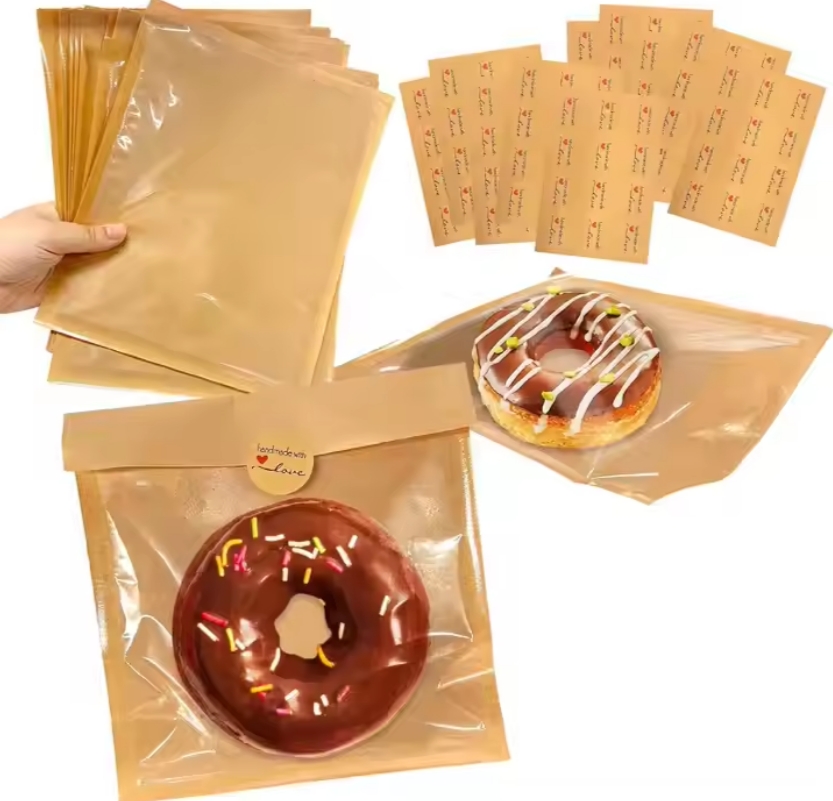
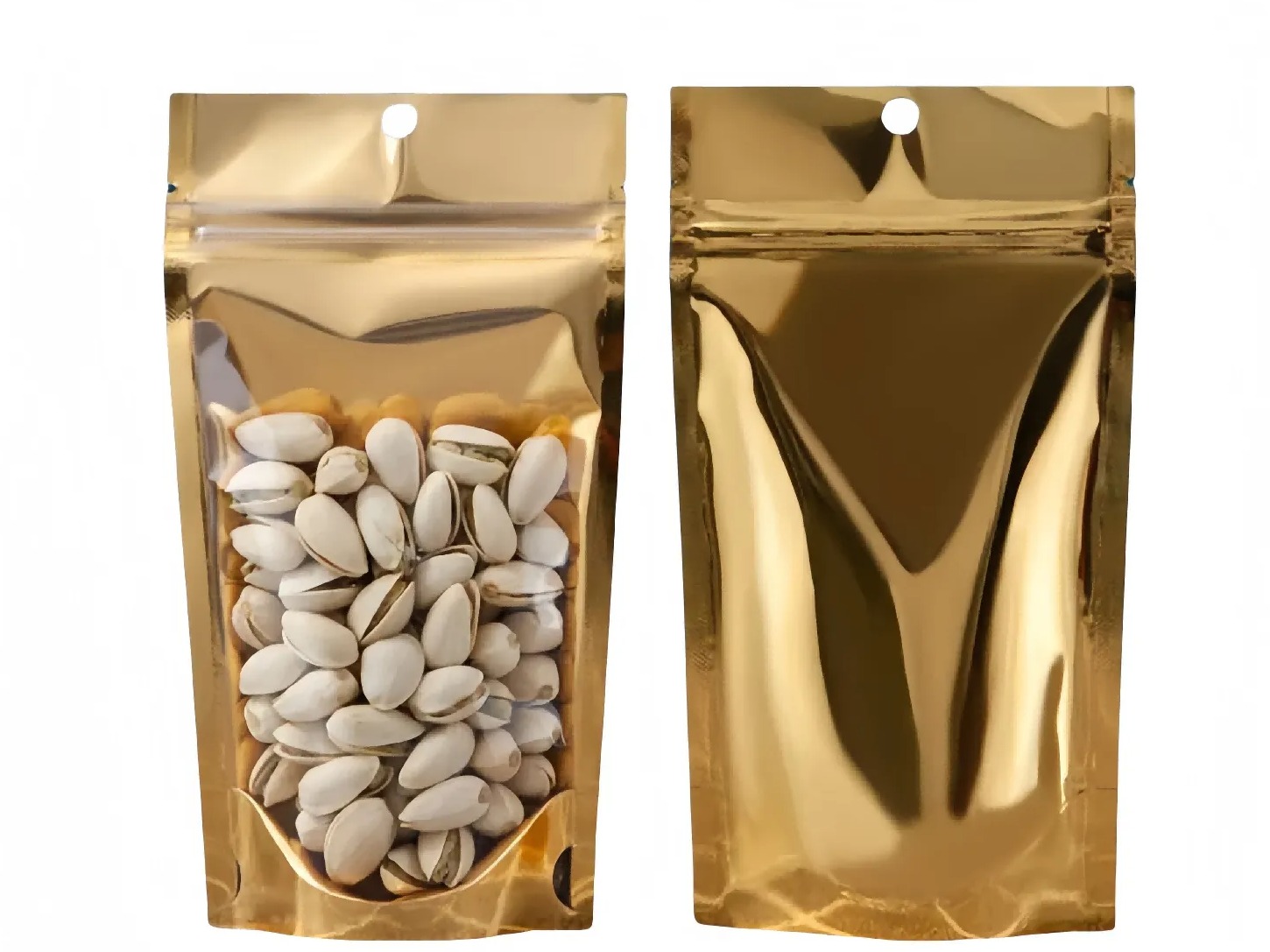
Today's food packing bags are far from the one-size-fits-all solutions of the past. They are engineered to meet diverse needs, ranging from resealable zipper bags with airtight seals that keep snacks and dried goods fresh for weeks, to biodegradable kraft bags ideal for baked goods like bread and pastries, to vacuum-seal options that extend the shelf life of meats, fish, and fresh produce by three to five times compared to conventional storage. Some specialized designs now include moisture-absorbing liners for delicate berries, oxygen-scavenging films for coffee and nuts, and anti-fog coatings for ready-to-eat salads. For businesses, custom food packing bags also serve as a powerful branding tool. Printed with logos, nutritional information, and even QR codes linking to sourcing stories, these bags help companies connect with customers while communicating quality, transparency, and eco-friendliness. A well-designed bag can turn a routine purchase into a memorable brand experience.
Sustainability is at the forefront of industry innovation. With the EU's new Packaging and Packaging Waste Regulation (PPWR) taking effect in 2026—requiring all packaging to be recyclable by 2030 and mandating minimum recycled content targets—biodegradable and compostable food packing bags have surged in popularity. Made from renewable resources like corn starch, sugarcane fiber (bagasse), wheat straw, or even seaweed extracts, these bags decompose naturally under industrial composting conditions within 90 to 180 days. This shift directly addresses the staggering 186.5 kilograms of packaging waste generated per person annually across the EU. In response, global retailers such as Carrefour and Tesco have begun replacing conventional plastic produce bags with certified compostable alternatives, while startups like Notpla have introduced edible water pods and flexible films made from seaweed.
Food safety remains another non-negotiable pillar. High-quality food packing bags are manufactured from food-grade materials that are completely free from bisphenol A (BPA), phthalates, and other harmful chemicals known to leach into food. Advanced barrier properties—including multi-layer co-extrusions and metallized films—block moisture, oxygen, ultraviolet light, and microbial contaminants, significantly reducing food spoilage and protecting consumer health. For businesses, using certified safe packaging not only ensures compliance with global standards such as FDA (US), EFSA (EU), and CFDA (China) but also builds trust with customers who increasingly prioritize transparency, ingredient integrity, and supply chain accountability.
Whether for a small neighborhood bakery wrapping fresh croissants, a large grocery chain packaging prepackaged salads, or a home kitchen storing leftovers, the food packing bag is an essential tool. It bridges the gap between production and consumption, preserving freshness, ensuring safety, and aligning with the world's determined move toward a more sustainable future. As 2026 unfolds, the food packing bag will continue to evolve—blending functionality, sustainability, and branding—to meet the demands of a rapidly changing global market. Innovations on the horizon include smart packaging with freshness sensors, edible coatings, and fully home-compostable films. The humble food bag is, in short, quietly revolutionizing how we eat, store, and think about food.
Regarding food packaging bags