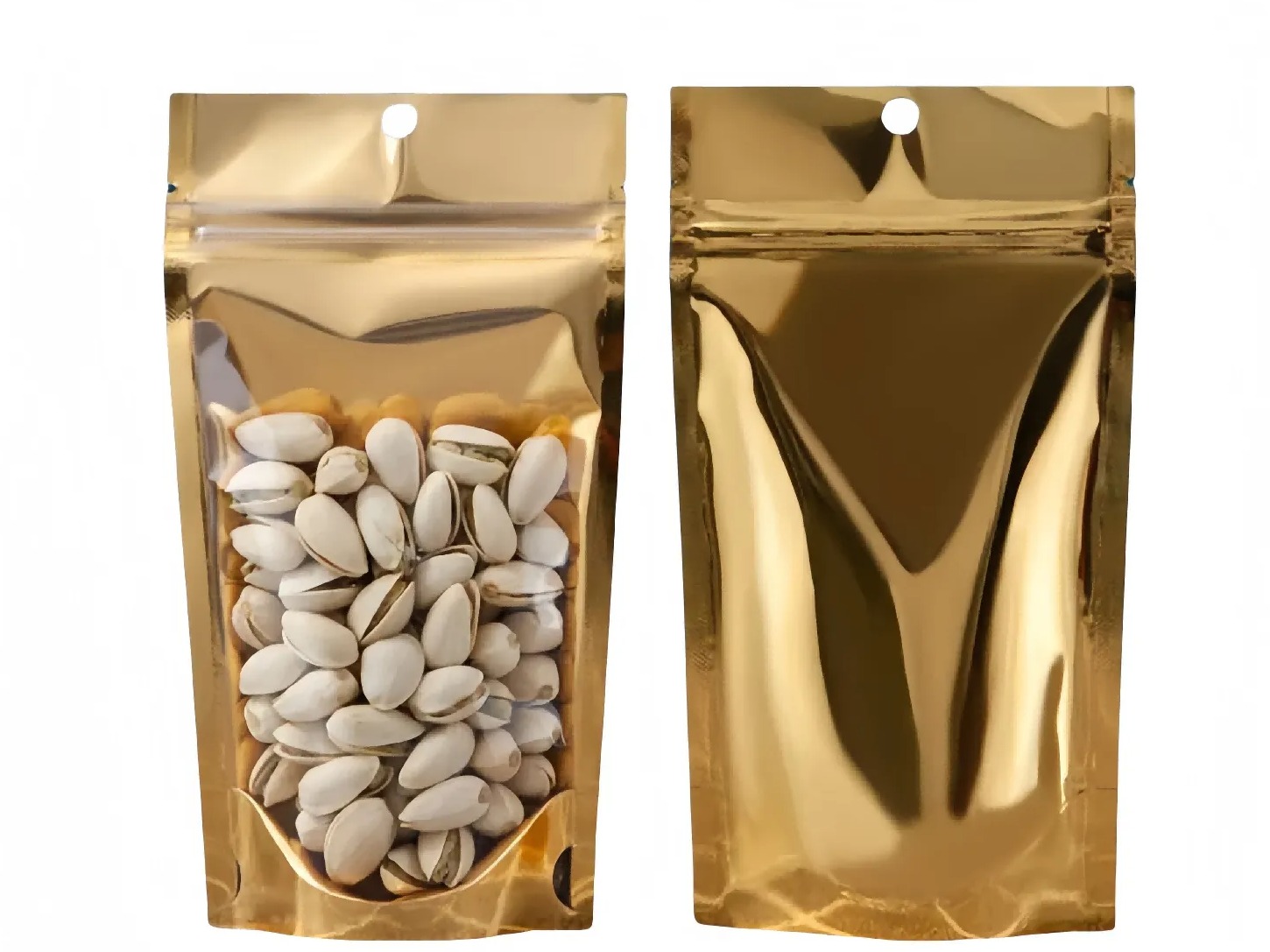
Regarding food packaging bags
2025-10-31
Eco-Friendly Materials Replace Traditional Plastics
Major players in the sector are phasing out single-use petroleum-based plastics in favor of plant-derived and compostable alternatives. Denmark-based packaging firm Eco-Packaging A/S, for instance, launched its "GreenWrap" line earlier this year, made from 100% polylactic acid (PLA) sourced from corn starch. Tests show that GreenWrap decomposes completely within six months in industrial composting facilities, compared to the 200+ years required for traditional polyethylene (PE) bags. “We’ve already secured partnerships with 12 European bakery chains, including France’s La Boulangerie Française, which has replaced 80% of its bread packaging with GreenWrap,” said Mia Jensen, Eco-Packaging’s product development director. “This shift has cut plastic waste by an estimated 150 tons per month across our client network.”
In North America, PepsiCo’s bakery division (owner of brands like Sara Lee) announced last month that it will adopt bio-based ethylene vinyl alcohol (EVOH) films for its pre-sliced bread lines by 2026. The material, produced using sugarcane-derived ethanol, maintains the same oxygen barrier properties as conventional EVOH but reduces carbon emissions by 40% during manufacturing, according to the company’s sustainability report.
Stricter Safety Standards Ensure Consumer Health
Regulatory bodies worldwide are tightening rules to limit harmful substances in food contact materials. The European Union updated its Regulation (EC) No 10/2011 in January 2025, lowering the maximum allowable migration level of phthalates (a group of chemicals linked to hormonal disruptions) in bread packaging to 0.05 mg/kg – a 90% reduction from previous limits. The U.S. Food and Drug Administration (FDA) followed suit in March, banning six types of phthalates in all food packaging, including bread bags.
“SGS, a leading testing and certification company, conducted a survey of 500 global bread packaging products in Q2 2025 and found that 92% now meet the new EU standards, up from 68% in 2023,” said Dr. Elena Marquez, SGS’s food safety specialist. “Non-compliant products, mostly from small-scale manufacturers in Southeast Asia, have been recalled or blocked from entering European and U.S. markets, highlighting the industry’s growing focus on safety.”
Functional Innovations Reduce Food Waste
Beyond sustainability and safety, companies are developing packaging with smart features to extend bread shelf life and reduce food waste. German packaging manufacturer Klockner Pentaplast’s “FreshLock” breathable membrane, for example, regulates oxygen and moisture levels inside the bag, keeping whole-grain bread fresh for 7–10 days – 3–5 days longer than standard packaging. A pilot program with German supermarket chain Rewe showed a 22% reduction in bread waste at store level after adopting FreshLock.
Meanwhile, UK startup PackSense has introduced a “Freshness Indicator” label that changes color from green to red as bread spoils, using a pH-sensitive ink that reacts to mold growth. “Consumer research shows that 78% of shoppers are more likely to purchase bread with freshness indicators, as it eliminates guesswork about expiration,” said PackSense CEO James Wilson. “We’re currently in talks with Tesco and Sainsbury’s to roll out the labels next year.”
Future Outlook: Circular Economy Goals
Industry experts predict that the bread packaging sector will continue to accelerate its shift toward a circular economy. The European Packaging and Films Association (EPFA) has set a target for 100% of bread packaging to be either recyclable or compostable by 2030, while major bakery brands like Panera Bread and Costa Coffee have pledged to eliminate all virgin plastic from their packaging by 2028.
“Bread packaging is no longer just about protecting the product – it’s a critical part of brands’ sustainability strategies and consumer trust-building,” said Lars Olsen, senior analyst at market research firm Euromonitor International. “As technology advances and regulatory pressure increases, we’ll see even more innovative solutions that balance environmental responsibility, safety, and functionality in the years ahead.”
Food Packing Bag: The Unsung Hero of Food Safety and Sustainability in 2026
Food Packaging Industry Embraces Eco-Friendly Shifts