Biodegradable Plastic Bags
Every time we grab a plastic bag at the grocery store or toss a takeout wrapper into the bin, we rarely stop to think about its lifelong impact. Traditional plastic bags can linger in landfills for up to 400 years, slowly fragmenting into microplastics that clog oceans, poison wildlife, and even enter our food chain—all for just a few minutes of convenience. But there is a smarter, kinder alternative: biodegradable plastic bags.
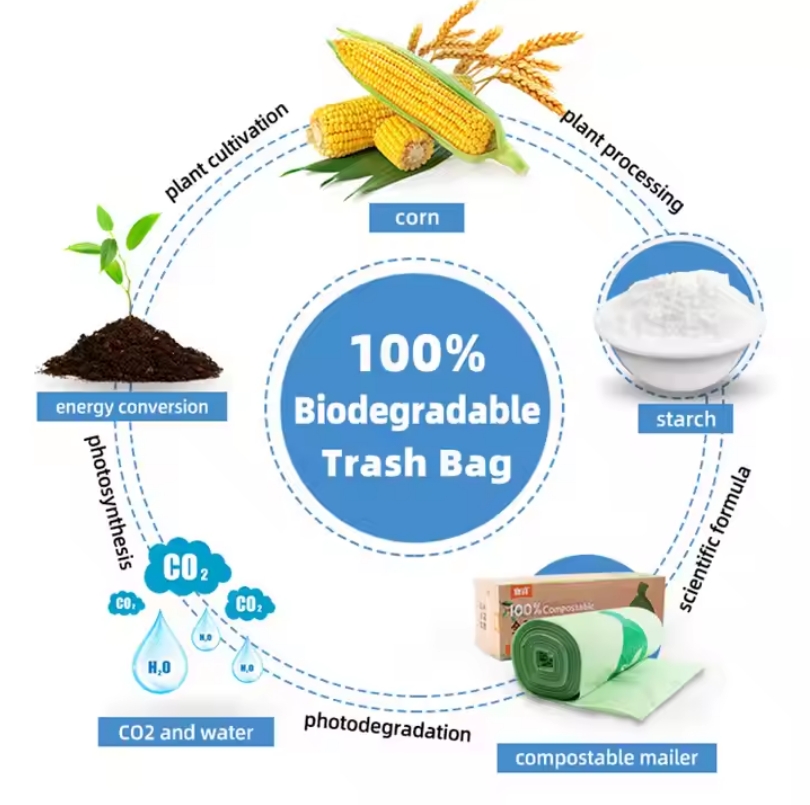
Made from renewable resources such as corn starch, plant fibers, potato starch, or sugarcane, these bags work just like regular plastic. They are strong enough for groceries, lightweight for takeout containers, and flexible for household storage. The critical difference lies at the end of their life. When biodegradable bags end up in soil, compost environments, or even marine settings, naturally occurring bacteria and fungi break them down into harmless components: water, carbon dioxide, and organic matter. No persistent microplastics, no toxic chemical residues, no centuries-long pollution. Under ideal industrial composting conditions—warm, moist, and oxygen-rich—many certified biodegradable bags decompose fully within 3 to 6 months. Compare that to the 400+ years required for conventional plastic bags to break down, and the contrast is staggering.
This isn't just an eco-friendly choice; it's an increasingly practical one as well. More and more cities, supermarkets, and restaurants are swapping traditional plastic for biodegradable options, driven by both rising consumer demand and tightening environmental policies. France, for example, has banned conventional single-use plastic bags outright, requiring all disposable carrier bags to be made from bio-sourced materials. In California, more than 150 municipalities have adopted ordinances encouraging or mandating compostable bags for yard waste and pet waste collection. For families, switching to biodegradable bags means reducing your household's carbon footprint without changing your daily routine in any noticeable way—you still carry groceries, pack lunches, and line small trash bins, but with a fraction of the long-term harm. For businesses, offering biodegradable bags is a tangible way to demonstrate commitment to sustainability—something 73% of consumers say directly influences their purchasing decisions, according to a 2025 industry survey by Green Retail Insights.
Of course, biodegradable bags are not a "fix-all" solution for the global plastic waste crisis. Reducing overall bag use still matters most. Reusable totes, mesh produce bags, and simple cloth sacks should always be the first choice whenever possible. When reusable options are impractical—such as for dog waste, wet garbage, or greasy takeout—biodegradable single-use bags offer a far better fallback than conventional plastic. The ideal hierarchy is simple: refuse, reduce, reuse, and only then choose certified biodegradable disposables.
The next time you reach for a plastic bag, pause for just a moment. Opt for the biodegradable one. It may feel like a small, almost trivial choice. But multiplied across millions of shoppers, diners, and businesses over weeks and years, that choice adds up to cleaner oceans, healthier soil, reduced landfill burdens, and a greener future for everyone. Our planet doesn't need more plastic that lasts for centuries—it needs solutions that work in harmony with nature. Biodegradable plastic bags are exactly that: a small step for your daily routine, and a giant leap for the world we all share.
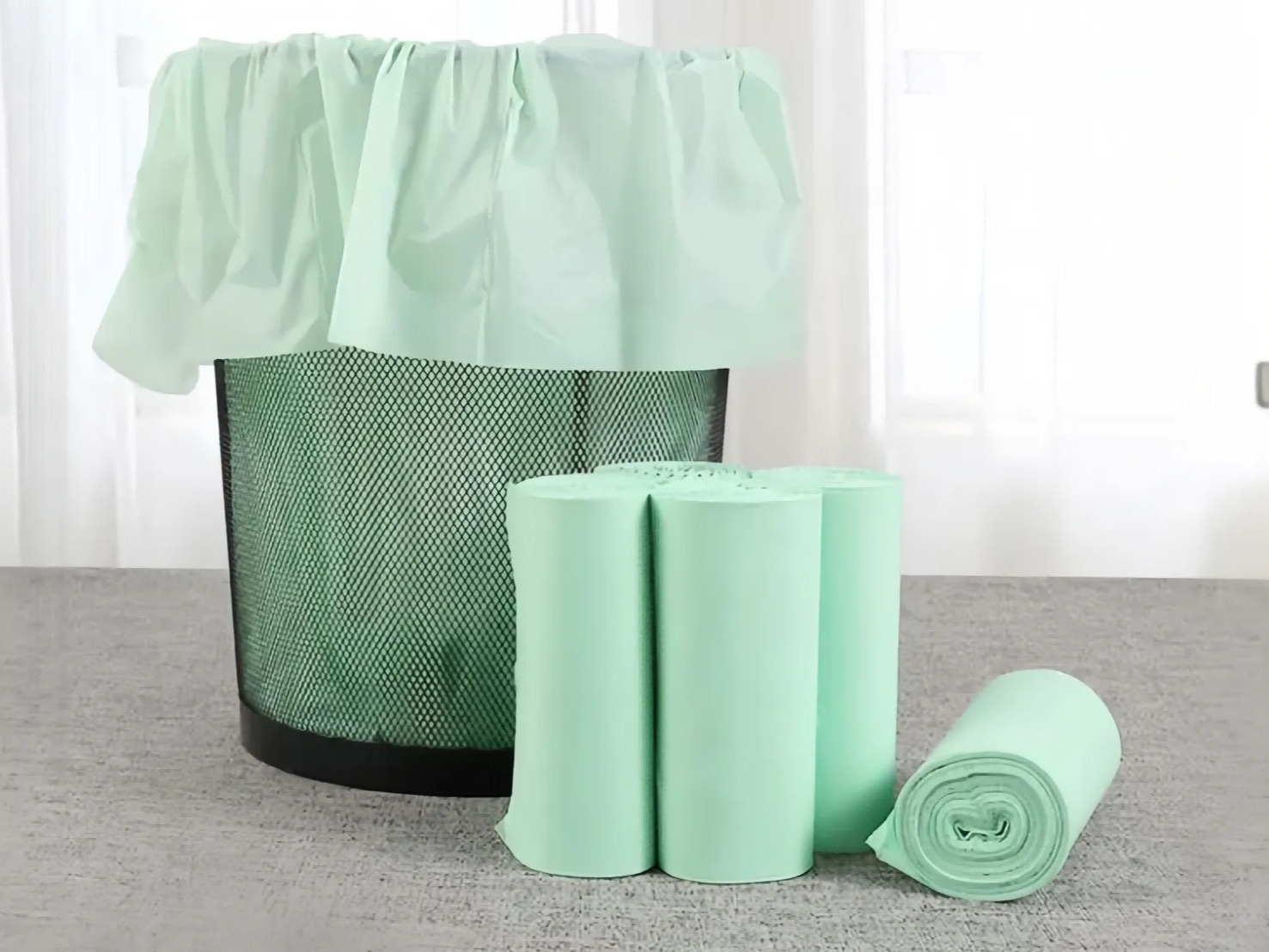
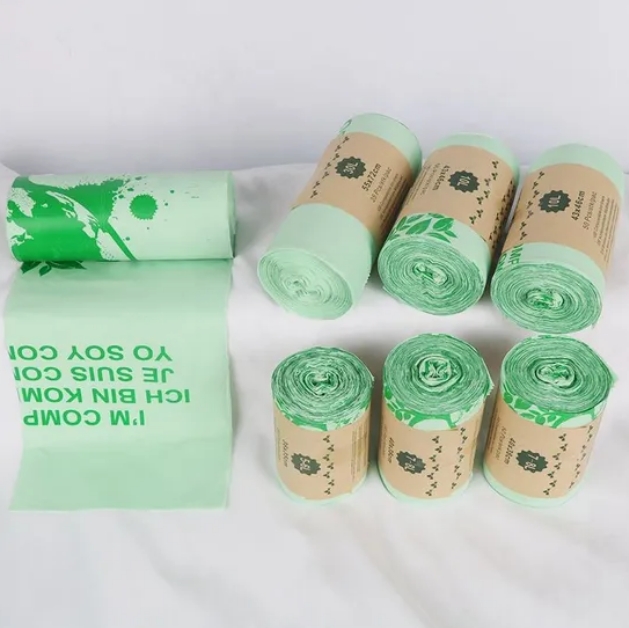
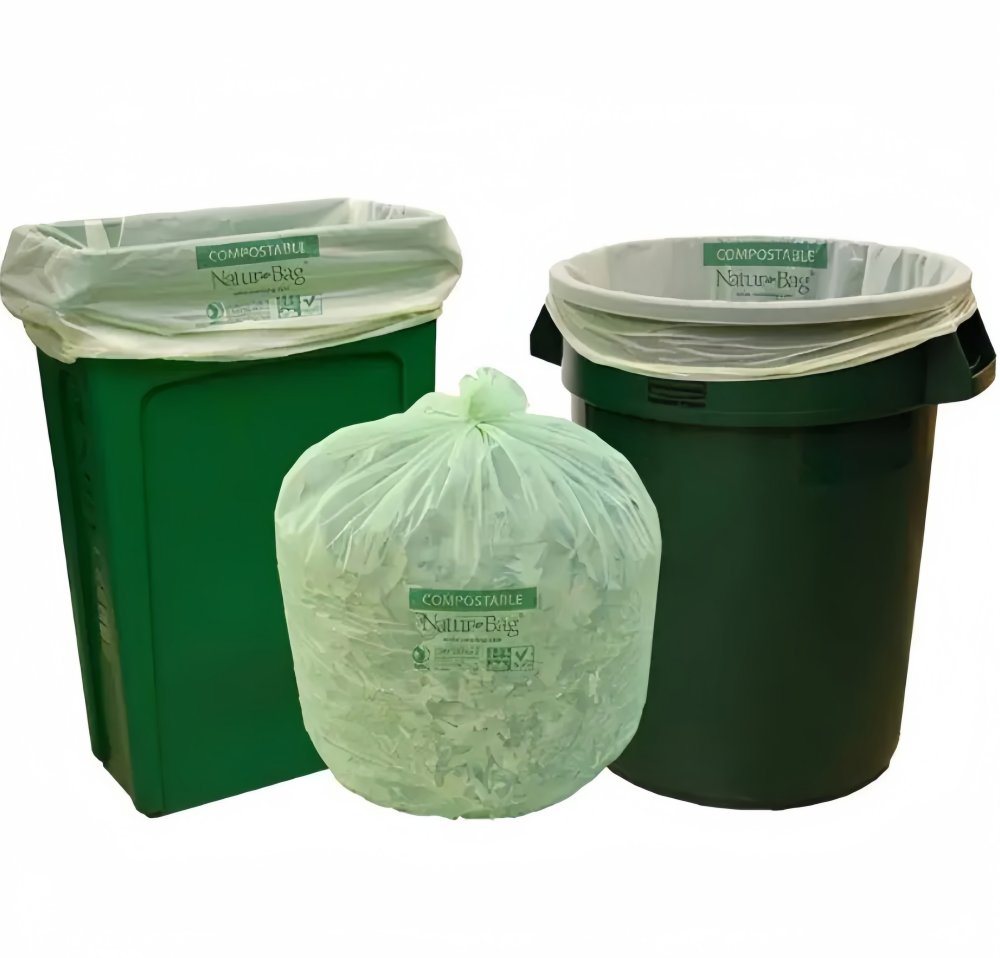
Biodegradable Garbage Bags
Biodegradable Trash Bags