Biodegradable Garbage Bags
2025-10-28
Biodegradable Garbage Bags Gain Momentum Globally as Nations Tackle Plastic Pollution Crisis
October 28, 2025 - As the world grapples with the escalating plastic pollution crisis, biodegradable garbage bags have emerged as a key solution, with governments, businesses, and consumers driving a surge in demand that is reshaping the global waste management industry.
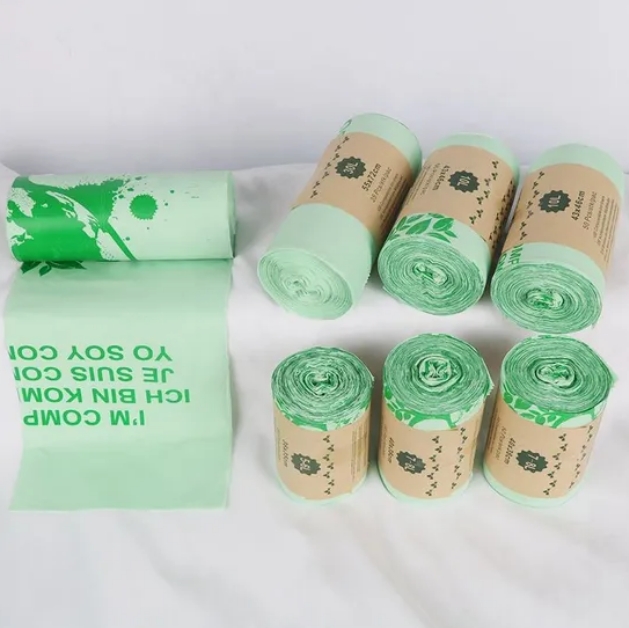
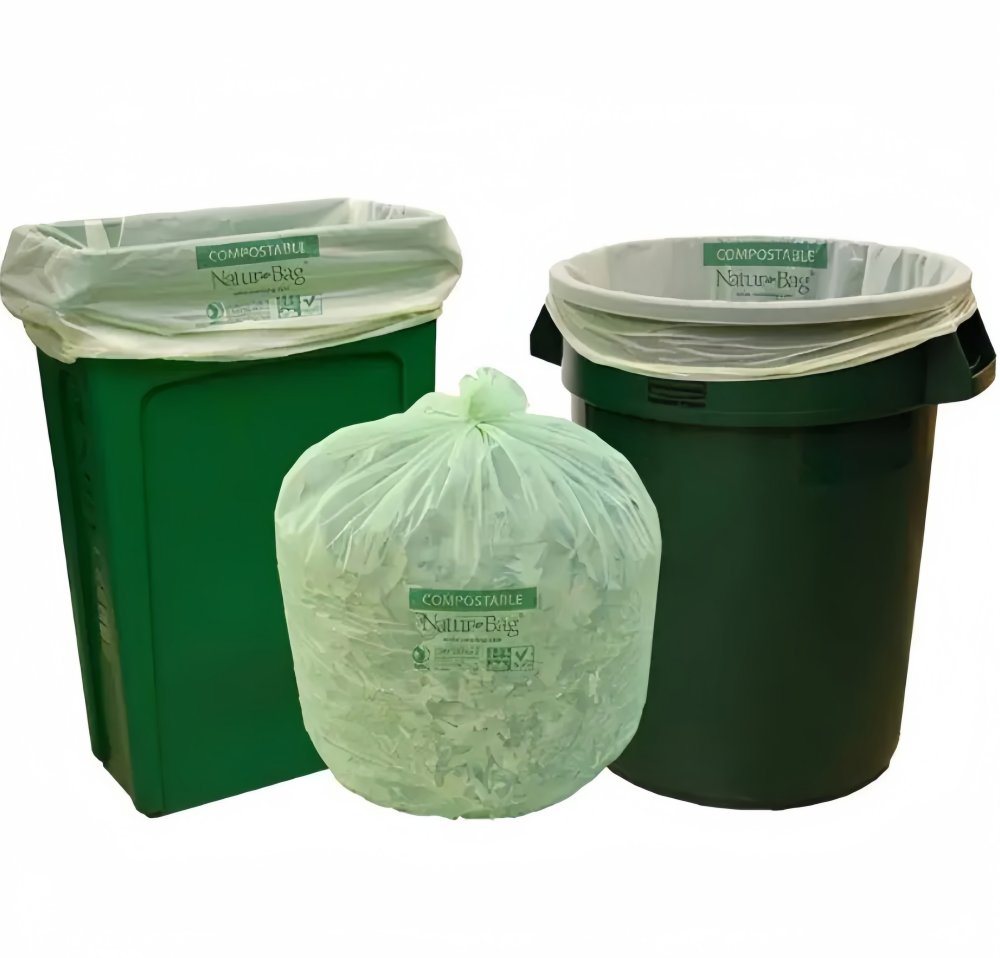
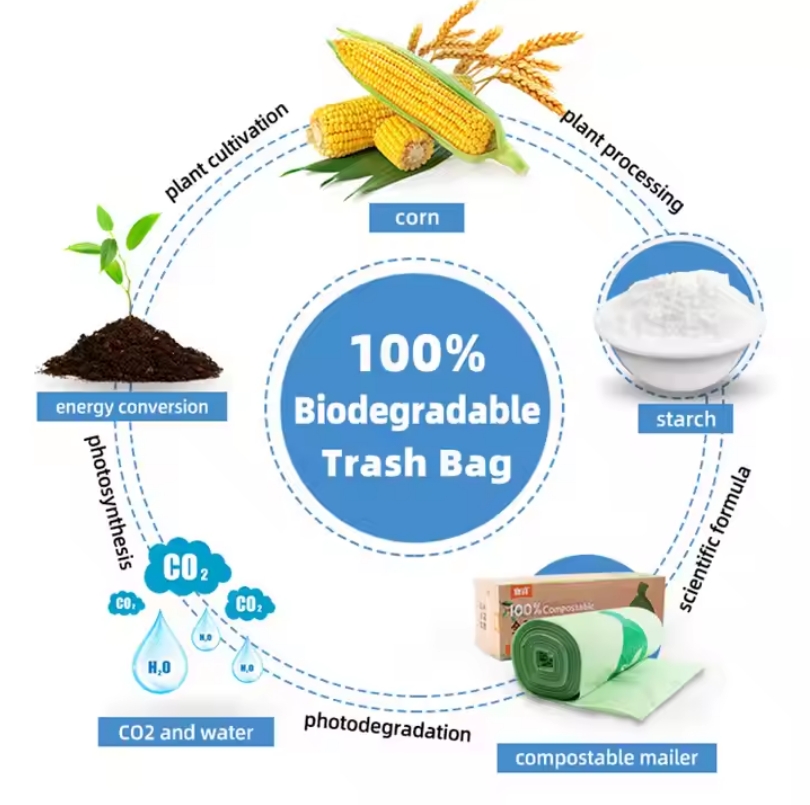
New data from the United Nations Environment Programme (UNEP) highlights the urgency of the plastic waste problem: approximately 400 million tonnes of plastic are produced annually worldwide, and less than 10% of it is recycled. Traditional plastic garbage bags, which can take up to 450 years to decompose in landfills, contribute significantly to this crisis, leaking toxic chemicals into soil and water systems and endangering marine life. In contrast, certified biodegradable garbage bags—made from materials like corn starch, PBAT (a petroleum-based but biodegradable polymer), or plant-based fibers—break down into non-toxic substances such as water, carbon dioxide, and biomass within 6 to 24 months under proper composting conditions.
The global market for biodegradable garbage bags is expanding rapidly in response to this need. A recent report by Grand View Research projects that the market will reach $3.2 billion by 2030, growing at a compound annual growth rate (CAGR) of 8.7% from 2025 to 2030. Europe leads the charge, with countries like Germany, France, and Italy having implemented strict regulations banning single-use plastics, including non-biodegradable garbage bags. In Germany, for instance, the Packaging Act mandates that all plastic packaging—including garbage bags—must be either recyclable or biodegradable, driving a 45% increase in biodegradable bag sales between 2023 and 2024.
Asia is also emerging as a major market, fueled by government initiatives and growing environmental awareness. China, which banned non-degradable plastic bags in retail stores in 2021, expanded the ban to include all disposable plastic products, including garbage bags, in 2024. This policy shift has led domestic manufacturers like Kingfa Sci. & Tech. to invest $200 million in new production lines for biodegradable materials, doubling their output capacity. In India, the government’s “Plastic Waste Management Amendment Rules, 2024” requires all urban local bodies to distribute free biodegradable garbage bags to households by 2026, a move expected to create a $500 million market for the products.
Businesses across sectors are also adopting biodegradable garbage bags as part of their sustainability goals. Fast-food chains like McDonald’s and Starbucks have switched to biodegradable bags for food waste disposal in over 30 countries, while retail giants such as Walmart and Tesco now offer biodegradable options alongside traditional bags in their stores. “We’ve seen a 30% increase in customer demand for biodegradable products over the past year,” said Sarah Johnson, sustainability director at Walmart. “Our goal is to phase out all non-biodegradable plastic packaging, including garbage bags, by 2027.”
However, experts caution that the effectiveness of biodegradable garbage bags depends on proper waste management infrastructure. Dr. Lisa Miller, a waste management specialist at the University of California, Berkeley, notes that “many biodegradable bags require industrial composting facilities—with controlled temperature, moisture, and oxygen levels—to decompose fully. If they end up in regular landfills, where conditions are anaerobic, they may not break down any faster than traditional plastics.” To address this, countries like Canada and Australia are investing in expanding industrial composting capacity; Canada, for example, plans to build 20 new composting facilities by 2028, up from 12 currently.
Consumer education is another critical factor. A 2025 survey by the Environmental Investigation Agency (EIA) found that 60% of consumers in the U.S. and UK mistakenly believe that biodegradable bags can decompose in home compost piles, which often lack the heat needed for full breakdown. “We need to educate consumers on how to dispose of these bags correctly—by placing them in dedicated compost bins rather than regular trash,” said Dr. Miller.
Looking ahead, innovations in material science are set to enhance the performance and affordability of biodegradable garbage bags. Researchers at the University of Cambridge recently developed a new biodegradable polymer made from algae, which decomposes in marine environments within three months—addressing the issue of plastic pollution in oceans. Meanwhile, advancements in manufacturing technology are reducing costs: the price of biodegradable garbage bags has dropped by 20% since 2022, making them more competitive with traditional plastic bags.
As nations continue to prioritize sustainability and combat plastic pollution, biodegradable garbage bags are poised to play an increasingly vital role in building a circular economy. “This isn’t just a trend—it’s a necessary shift in how we manage waste,” said UNEP’s plastic pollution coordinator, Maria Mendez. “With the right policies, infrastructure, and consumer engagement, biodegradable garbage bags can help us cut plastic pollution by 30% by 2035.”
Biodegradable Garbage Bags