How to Choose the Right Packaging Materials for Different Products? A Complete Guide
In the process of product sales and transportation, the choice of packaging materials is a critical factor affecting product safety, brand image, and consumer experience. Different types of products have distinct characteristics, leading to significantly different functional requirements for their packaging.
For example, food products place a higher priority on safety and environmental friendliness, electronic products require stronger protective performance, while gifts and high-end consumer goods place greater emphasis on packaging texture and visual appeal. Therefore, selecting the appropriate packaging materials not only reduces losses during transportation but also helps the brand enhance product value.
As a plastic manufacturing factory with over a decade of experience, we are able to
This article will introduce the characteristics of common packaging materials based on different product types, as well as the key factors companies need to consider when choosing customized packaging solutions.
I. Why is the choice of packaging materials so important?
Packaging materials not only determine the product's protective capabilities but also directly affect its presentation and market competitiveness.
If the packaging materials are not chosen properly, the following issues may arise:
-
Product damage during transportation;
-
Packaging easily deformed or broken;
-
Insufficient product grade perception;
-
Unnecessary increase in packaging costs;
-
Failure to meet the environmental requirements of the target market.
For example, lightweight products are suitable for paper-based packaging, while heavier products require higher-strength materials; high-end brands may need special paper to enhance visual impact, while everyday consumer goods focus more on cost and practicality.
Therefore, when designing a packaging solution, it is necessary to comprehensively consider product characteristics, shipping methods, sales channels, and brand positioning.
II. Paper Packaging Materials: Suitable for Most Consumer Products
Paper packaging is one of the most widely used packaging types, featuring environmental friendliness, ease of processing, good printing results, and moderate cost.
Common paper packaging materials include:
-
White card paper;
-
Kraft paper;
-
Corrugated paper;
-
Grey board paper;
-
Specialty paper.
Different paper types have different characteristics to meet various product needs.
1. Food Product Packaging
Food packaging requires high material safety standards, needing to consider moisture resistance, oil resistance, and hygiene standards.
Common choices include:
-
Food-grade paper boxes;
-
Greaseproof paper packaging;
-
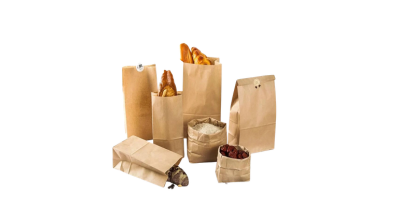
Paper bag packaging;
-
Recyclable eco-friendly packaging.
For example, baked goods, candies, and tea products are often packed in paper boxes, using print design to enhance product appeal while meeting food sales requirements.
In addition to protecting the product, food packaging also needs to reflect the brand's identity. Exquisite packaging design can help products gain more attention in sales channels such as supermarkets and e-commerce platforms.
2. Cosmetic Packaging
The cosmetics industry has high requirements for packaging appearance.
Consumers often judge product quality by its packaging, so cosmetic packaging not only needs to protect the product but also convey brand positioning.
Commonly used materials include:
-
High-hardness card paper;
-
High-grade specialty paper;
-
Premium gift box materials.
Techniques such as hot stamping, UV printing, and embossing can enhance the premium feel of the packaging.
For mid-to-high-end cosmetic brands, high-quality packaging enhances the consumer purchasing experience and increases brand value.
III. Gift Packaging Materials: Focus on Texture and Visual Experienc
The biggest difference between gift packaging and regular packaging is its greater focus on the consumer's emotional experience.
An excellent gift packaging needs to simultaneously meet:
-
Attractive appearance;
-
Stable structure;
-
Good unboxing experience;
-
Ability to reflect product value.
Common gift packaging materials include:
1. Thick Paperboard Packaging
Thick paperboard provides good support, making it suitable for high-end gift boxes.
2. Specialty Paper Packaging
Special textures and tactile finishes can elevate the packaging grade, suitable for high-end gifts, collectibles, and similar products.
3. Combination Packaging
Combining different materials, such as paper boxes with inner linings, can enhance product protection.
Gift packaging often incorporates magnetic closures, drawer-style, flip-top, and other structural designs to improve the consumer experience.
IV. How to Choose Packaging Materials for E-commerce Products?
With the rapid development of e-commerce, the importance of e-commerce packaging is increasingly evident.
E-commerce products typically go through warehousing, handling, and long-distance transportation, so packaging materials need to have good protective capabilities.
Common choices:
-
Corrugated paper packaging: Corrugated paper has strong compression resistance, suitable for shipping packaging.
Applicable for:-
Home goods;
-
Electronic products;
-
Daily necessities;
-
Large-sized items.
-
-
Folding paper boxes: Suitable for smaller items that need visual display.
For example:-
Clothing accessories;
-
Small electronic products;
-
Beauty products.
-
E-commerce packaging needs to strike a balance between protective performance and cost, avoiding excessive packaging that increases shipping expenses.
V. Packaging Material Choices for Apparel and Retail Products
The packaging needs in the apparel industry mainly focus on brand presentation, shipping convenience, and environmental friendliness.
Common packaging forms include:
-
Custom paper bags;
-
Apparel packaging boxes;
-
Eco-friendly packaging bags;
-
Branded logo packaging.
For apparel brands, packaging is an important touchpoint for consumers to interact with the brand.
Uniform packaging featuring the brand logo and design style can enhance brand recognition and increase consumer memory of the brand.
Especially in the cross-border e-commerce sector, personalized apparel packaging has become an important way to improve customer experience.
VI. Eco-friendly Packaging Materials as a Future Trend
In recent years, global demand for eco-friendly packaging has been growing steadily.
More and more companies are choosing sustainable packaging materials to reduce environmental impact while meeting consumer expectations for green products.
Common eco-friendly packaging materials include:
-
Recyclable paper;
-
Kraft paper materials;
-
Biodegradable packaging materials;
-
Reduced-material packaging designs.
Eco-friendly packaging is not just a material choice; it represents a company's adaptation to future market trends.
Especially in European and American markets, the concept of environmental protection has become an important factor in brand competition.
VII. What Factors Should Be Considered When Choosing Packaging Materials?
In the actual packaging design process, companies should not only focus on appearance but also consider multiple aspects comprehensively.
1. Product Protection Needs
First, determine the primary function of the packaging.
For example:
-
Fragile products need enhanced protection;
-
Food products must ensure safety and hygiene;
-
Valuable products require higher protection levels.
2. Shipping Methods
Different shipping methods have different packaging requirements.
-
Sea freight requires moisture protection and long-term durability;
-
Courier shipping requires compression and impact resistance;
-
Retail display packaging focuses more on visual appeal.
3. Brand Positioning
Packaging materials should align with brand values.
High-end brands typically choose more textured materials, while mass-market products focus more on cost and practicality.
4. Environmental Requirements
As global environmental regulations continue to evolve, choosing packaging materials that align with sustainability trends has become an important direction for business development.
VIII. How to Choose the Right Custom Packaging Solution?
Choosing packaging materials is not simply about selecting a material type; it requires overall planning based on product characteristics.
A complete packaging solution typically includes:
-
Product analysis;
-
Material selection;
-
Packaging structure design;
-
Printing process selection;
-
Sample testing;
-
Mass production.
Through careful planning, it is possible to ensure that the packaging simultaneously meets protection, aesthetics, cost, and environmental requirements.
For companies, excellent packaging not only reduces product transportation risks but also helps build a more professional market image for the brand.
Conclusion: The Right Packaging Materials Create Higher Product Value
Different products require different packaging solutions. Food needs safe and eco-friendly packaging materials, cosmetics need exquisite packaging that reflects brand value, gifts need high-end packaging that enhances the experience, and e-commerce products need packaging that balances protection and cost control. Choosing the right packaging material is an important step in enhancing product competitiveness.
As global demand for personalized and eco-friendly packaging continues to grow, companies need to pay more attention to packaging design and material selection. Through professional packaging solutions, products can gain more advantages in market competition. If you have any product-related questions, please feel free to contact us, and our professional team will get in touch with you.
Common Problems and Solutions in Packaging Production: How to Ensure Stable Custom Packaging Quality
Related Article