Custom Packaging Solutions: How to Choose High-Quality Packaging Products That Fit Your Brand's Growth
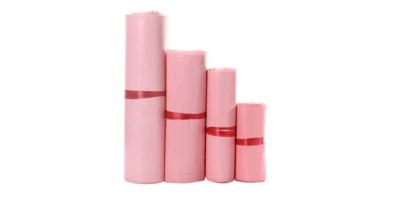
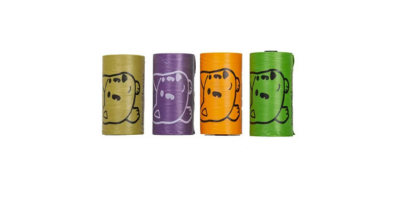
As global market competition intensifies, packaging is no longer just a tool to protect products—it has become a key factor influencing brand image, consumer experience, and product sales. Whether in food, cosmetics, gifts, daily necessities, or retail, more and more companies are focusing on high-quality, personalized, and eco-friendly packaging solutions. As a plastic packaging factory with over a decade of experience, we have witnessed firsthand how client requirements have evolved. This blog will guide you through how to choose the right packaging products.
1. How Does Packaging Affect Product Value and Brand Image?
Traditional packaging mainly served to protect products and facilitate transport, but modern packaging has gradually become a vital part of brand marketing. When consumers purchase a product, they often form their first impression through its packaging. Elegant design, rational structure, and high-quality materials all enhance consumer trust in the product.
For example, high-end gifts typically require beautifully designed gift boxes to elevate their perceived value; food products need safe and attractive packaging to boost purchase appeal; and cosmetic brands place great emphasis on visual impact and eco-friendly concepts in their packaging.
Therefore, packaging not only affects product presentation but also directly influences a brand's market positioning.
2. Paper Packaging Is Becoming a Major Global Trend
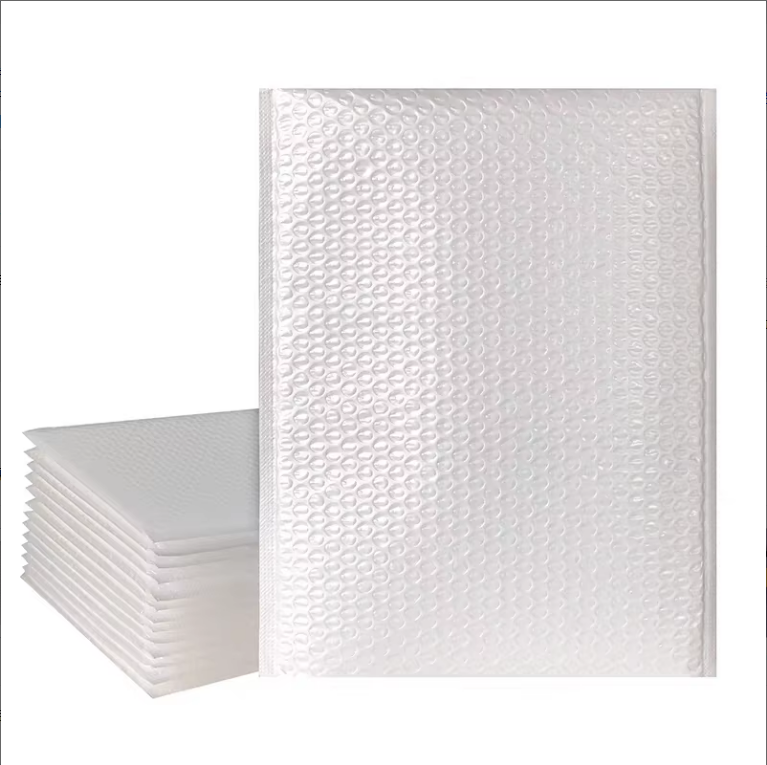
In recent years, as environmental awareness has grown, paper packaging is becoming the choice of more and more companies.
Compared with traditional materials, paper packaging offers advantages such as being eco-friendly, recyclable, and easy to process, while also meeting various product needs through different printing techniques and designs.
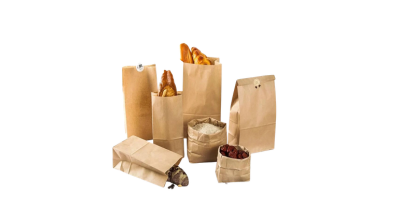
Common paper packaging products currently on the market include:
-
Color-printed paper boxes;
-
Folding cartons;
-
Gift packaging boxes;
-
Food packaging boxes;
-
Product display packaging;
-
Kraft paper packaging.
By combining different materials and surface finishing processes—such as foil stamping, embossing, UV printing, and lamination—paper packaging can achieve richer visual effects, making products more suitable for high-end markets.
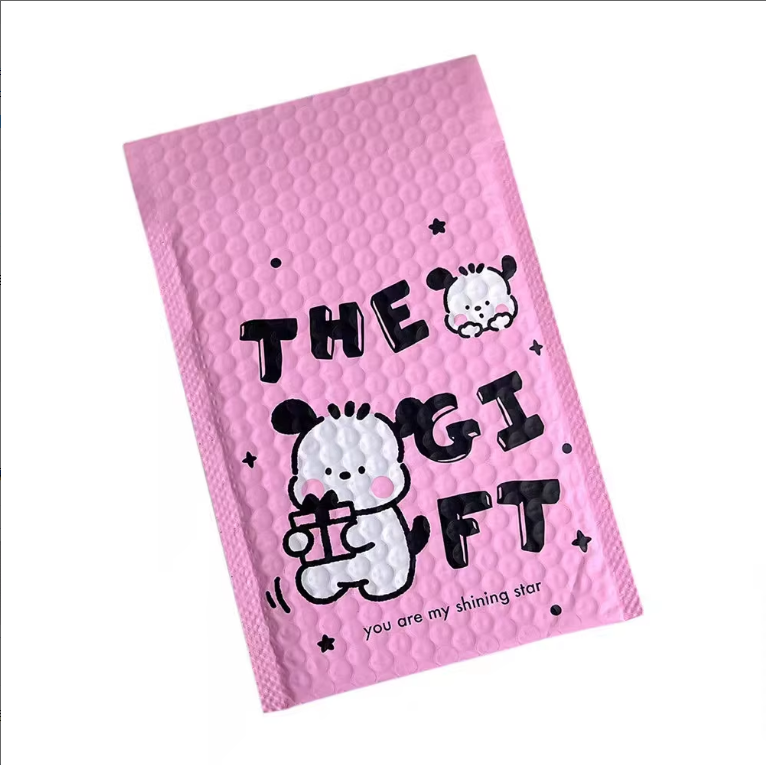
3. Custom Packaging Meets the Individual Needs of Different Products
Different types of products have significantly different packaging requirements, so standardized packaging often cannot meet all business needs.
Custom packaging can be optimized according to product characteristics, including size design, material selection, structural adjustments, and appearance customization.
Reasonable sizing reduces packaging waste and lowers shipping costs; suitable materials improve product protection; and unique structures enhance the unboxing experience.
For branded companies, custom packaging is not just a means of protection but also a brand communication tool. Consistent design of logos, colors, patterns, and packaging styles helps build a clearer brand identity.
4. Eco-Friendly Packaging Is Driving the Future of the Industry
As global consumer awareness of environmental protection grows, sustainable packaging has become a key direction for the packaging industry.
More companies are reducing excessive packaging and choosing more eco-friendly materials and production methods. In European and American markets especially, eco-friendly packaging has become an important factor for brands to demonstrate social responsibility and enhance market competitiveness.
Eco-friendly packaging is mainly reflected in recyclable materials, reduced resource waste, and optimized packaging structures.
For export-oriented companies, packaging that aligns with environmental trends not only meets market demands but also helps brands better adapt to future developments.
5. How Does High-Quality Packaging Help Companies Gain a Competitive Edge?
Against the backdrop of rapid e-commerce and retail growth, the importance of product packaging is more evident than ever.
Attractive packaging helps products gain more attention on store shelves, e-commerce platforms, and social media displays. At the same time, high-quality packaging reduces the risk of product damage during transit, improving supply chain stability.
When selecting a packaging supplier, companies typically consider product quality, customization capabilities, production experience, and delivery capacity.
A professional packaging solution not only meets current procurement needs but also helps companies continuously optimize their packaging as market conditions change.
6. Future Directions for the Packaging Industry
In the future, the packaging industry will continue to move toward greater environmental sustainability, personalization, and innovation.
As consumer expectations for product experiences rise, brands will need even better packaging design to enhance their competitiveness.
Whether for food packaging, gift packaging, retail packaging, or brand-customized packaging, high-quality solutions will play an increasingly important role in the global market. Choosing the right packaging products not only protects goods but also helps brands create greater value.
7. Conclusion
A great packaging design not only enhances product value but also helps brands gain more attention in fierce market competition. Therefore, selecting the right packaging products and professional customization solutions has become a key way for companies to improve their market competitiveness.
Common Problems and Solutions in Packaging Production: How to Ensure Stable Custom Packaging Quality
How to Control Color Difference in Plastic Bag Printing
Related Article