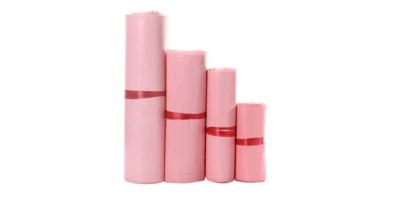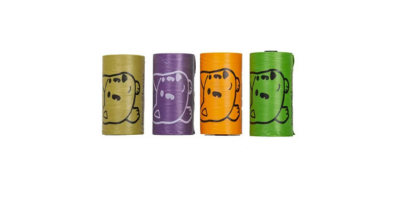
Oil Prices Soar, Why Are Eco-Friendly Bags More Resilient?
The current global situation is turbulent. The outbreak of the U.S.-Iran war is not only reshaping political landscapes but also changing our daily lives. Due to the war, oil prices have skyrocketed, leading to a sharp rise in the cost of plastic bags made from petroleum. From raw material extraction to processing and manufacturing, plastic bags are highly dependent on oil and its derivatives.
In the past, one of the biggest obstacles to promoting eco-friendly bags was the low cost and high convenience of traditional plastic bags. However, as oil prices continue to rise, this cost advantage is rapidly disappearing. This article will explain why eco-friendly plastic bags are more resilient than traditional plastic bags from the perspectives of manufacturing processes and product types.
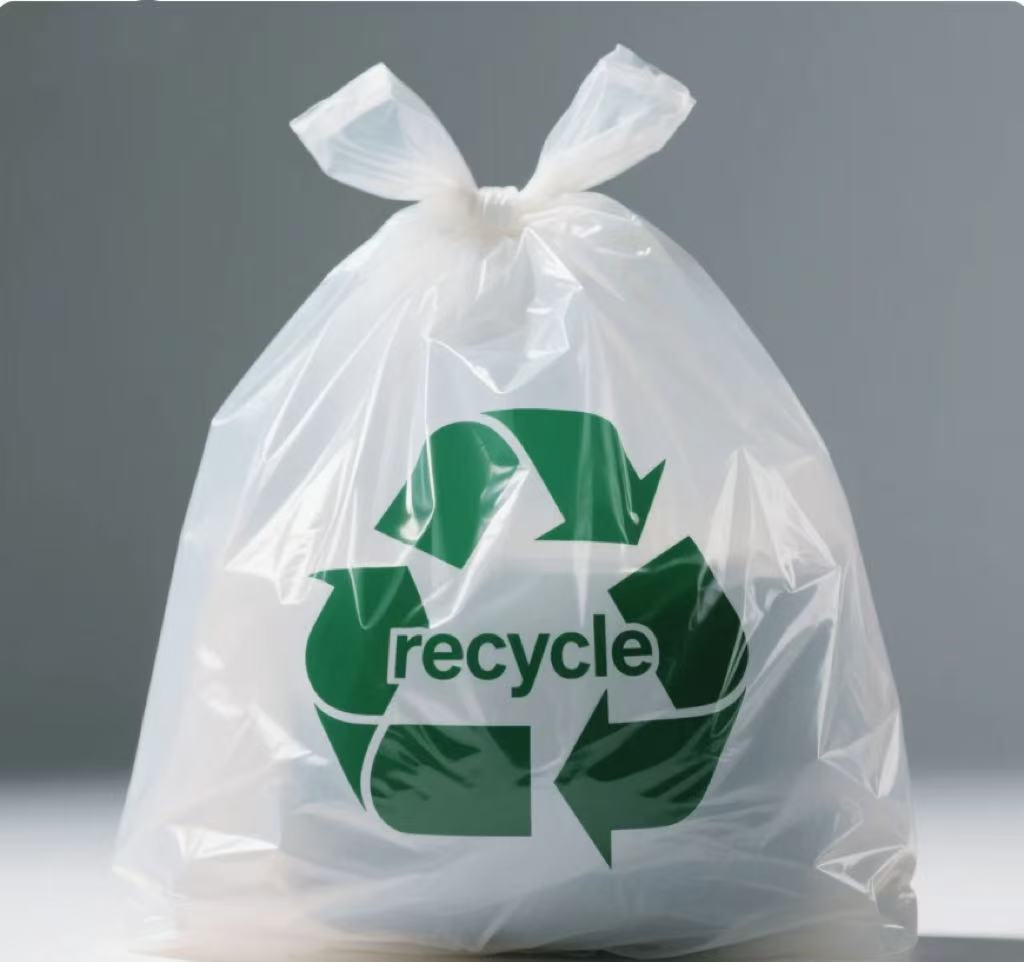
What Are Eco-Friendly Plastic Bags?
Eco-friendly plastic bags generally refer to shopping bags that can be reused multiple times and whose materials can be naturally degraded. To be called a "truly eco-friendly bag," four core standards must be met:
-
Durability: As a shopping bag, durability is a basic requirement. Some non-woven bags glued at the seams lack load-bearing capacity and cannot be classified as eco-friendly shopping bags.
-
Reusability: Plastic bags are called "white pollution" precisely because people use them once and throw them away. No matter what material a bag is made of, as long as it can be reused many times, it is a big step toward environmental protection.
-
End-of-life environmental performance: When eco-friendly bags enter the waste disposal process, they should not produce environmentally harmful substances. Take degradable bags as an example: the base materials and masterbatches used are all degradable, and they can completely degrade over time, producing only water, carbon dioxide, and soil organic matter.
-
Spreading environmental awareness: As items people use frequently in daily life, eco-friendly bags are themselves a good medium for spreading environmental concepts.
Manufacturing Process of Eco-Friendly Plastic Bags
1. Key Raw Materials
The main base materials include PBAT, PLA, and PHA. To reduce costs, improve performance, or increase environmental attributes, various fillers are added during production:
-
Starch: The most common filler, widely available and low-cost.
-
Bamboo powder: Made from bamboo offcuts, realizing "bamboo instead of plastic." It can completely degrade within 6 months of composting.
-
Calcium carbonate: After surface modification, it can be filled at high ratios (30%-50%), significantly reducing costs.
-
Sugarcane bagasse, coffee grounds, crop straw: Reuse of agricultural waste, turning waste into treasure.
2. Production Process
The production of eco-friendly plastic bags typically includes four core steps:
Granulation (modification) → Film blowing → Printing → Bag making
-
Granulation/Raw material modification: Various raw materials are mixed, melted, extruded, and cut into pellets according to the formula, producing "special material pellets" for film blowing.
-
Film blowing: The modified pellets are heated and melted, then blown into a thin film using a film blowing machine.
-
Printing: Logos, instructions, patterns, etc., are printed on the film surface.
-
Bag making: The printed film roll is cut, edge-sealed, and made into finished bags.
Types of Eco-Friendly Plastic Bags
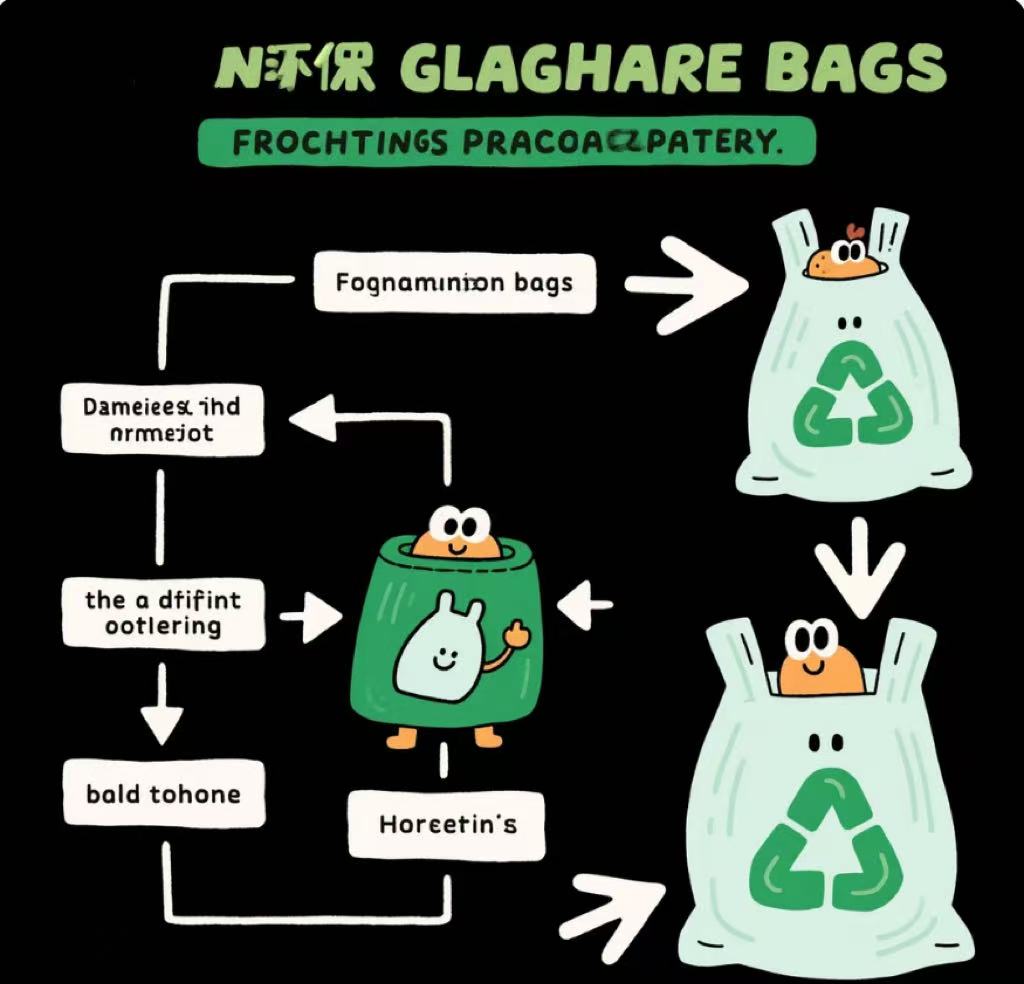
1. Degradable Plastic Bags
The most common "eco-friendly plastic bags" on the market today.
-
Advantages: Decompose much faster than ordinary plastic bags (which take over 200 years).
-
How it works: Degradable masterbatch is added during production, allowing the bag to automatically decompose within 90 days to one year under certain conditions (e.g., light, humidity, microbial environment).
2. Starch-Based Plastic Shopping Bags
Made primarily from modified starch, with small amounts of other degradable materials added. When discarded in the wild, they can naturally degrade. This type of bag can completely degrade within 6 months of composting, with zero environmental pollution.
3. Biodegradable Plastic Shopping Bags
Made from fully degradable plastics, they can completely degrade into small molecule microorganisms in the wild without any environmental pollution. Main types include:
-
PLA (Polylactic Acid): Synthesized from natural starch through fermentation, but consumes grain.
-
PHA (Polyhydroxyalkanoates): Also produced through microbial fermentation.
-
APC (Aliphatic Polycarbonate): Synthesized from carbon dioxide, does not consume grain, and can reduce carbon emissions — a win-win.
4. Ordinary Recyclable Plastic Shopping Bags
Made from polyolefins and fillers. They are not degradable but have excellent recyclability and can be recycled multiple times. Although the performance of recycled material is slightly reduced, it can be used to produce shopping bags or garbage bags with lower performance requirements or less strict color requirements.
Why Are Eco-Friendly Bags More Resilient Than Traditional Plastic Bags?
From the descriptions above, we can understand:
-
Lower petroleum dependency: Traditional polyethylene (PE) plastic bags are 100% dependent on oil. For every 1% increase in oil prices, costs rise almost proportionally.
-
Availability of "non-oil" alternative formulas: When oil prices are high, manufacturers are more motivated to adjust formulas, increasing the proportion of low-cost fillers such as starch, bamboo powder, and calcium carbonate, or increasing the proportion of bio-based materials like PLA, thereby partially hedging against rising petrochemical raw material costs.
-
Policy-driven demand: Unlike traditional plastic bags, which can be easily replaced, eco-friendly bags are mandatory in many regions due to policies — such as China's plastic ban, the EU SUP Directive, and various national plastic restriction regulations — all of which require the use of degradable bags in specific scenarios.
Summary
The oil price surge driven by global conflicts, such as the recent U.S.-Iran war, has significantly increased the cost of traditional plastic bags, which are 100% dependent on petroleum derivatives. In contrast, eco-friendly plastic bags — made from materials such as PBAT, PLA, starch, bamboo powder, and calcium carbonate — are less affected by oil price fluctuations. Understanding the manufacturing processes and material differences helps buyers make informed, cost-effective, and sustainable choices.
What Are Eco-Friendly Plastic Bags?
Plastic Bags' Raw Material: Oil Amid Turmoil
Related Article