
What Are Eco-Friendly Plastic Bags?
author: shilongmao
2026-04-15
What Are Eco-Friendly Plastic Bags?
In recent years, countries around the world have paid increasing attention to environmental protection, and plastic bags have become a key focus. Requirements for the production and materials of plastic bags have become stricter. Nations are actively advocating environmental care and Earth protection. The shift from traditional plastic bags to the widespread use of eco-friendly plastic bags is one important reflection of global environmental awareness.
We have all clearly felt the changes in plastic bags. In supermarkets, plastic bags are no longer free; they have become paid eco-friendly bags, often at a considerable price. This article explains in detail what eco-friendly plastic bags are, as well as their advantages and disadvantages.
What Are Eco-Friendly Plastic Bags?
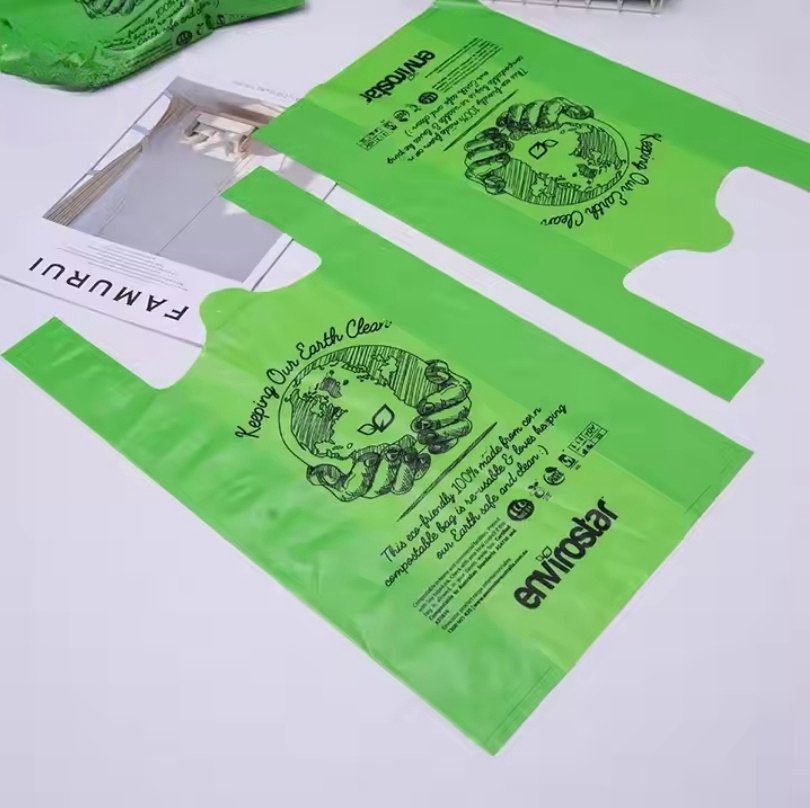
Simply put, eco-friendly plastic bags are bags that cause less harm to the environment and can be naturally processed more easily — they are not just ordinary plastic bags in a different color. They mainly fall into two categories: biodegradable plastic bags and recyclable plastic bags.
1. Biodegradable Plastic Bags
These are plastics that degrade under the action of microorganisms in natural environments such as soil, sand, freshwater, seawater, or under specific conditions (e.g., composting, anaerobic digestion), and eventually fully decompose into carbon dioxide, water, mineral salts, and new biomass. “Complete biodegradation” is the key requirement.
2. Recyclable Plastic Bags (Thicker & Reusable)
Recyclable plastic bags can be collected, sorted, cleaned, re-pelletized, and reused as plastic raw materials. The core concept is circular economy — keeping plastic in circulation instead of discarding it after a single use.
Advantages and Disadvantages
Biodegradable Plastic Bags
Advantages:
- Suitable for hard-to-recycle scenarios such as food-contaminated packaging and agricultural mulch film
- Can fully return to nature under proper treatment conditions
- Raw materials may come from renewable resources such as corn starch and sugarcane
Disadvantages:
- Require specific conditions to degrade; degrade slowly in ordinary soil or seawater
- Most cities lack industrial composting facilities, so they often end up incinerated or landfilled
- May contaminate recycling streams if mixed with conventional plastics
- Higher production cost than traditional plastics
Recyclable Plastic Bags
Advantages:
- Achieve true resource recycling and reduce reliance on new petroleum resources
- Saving 1 ton of plastic saves approximately 7.4 cubic yards of landfill space
- Performance comparable to traditional plastics with competitive pricing
- Ideal for applications supporting closed-loop recycling systems
Disadvantages:
- Performance declines after repeated recycling
- Sensitive to contamination; food or oil-soiled packaging is hard to recycle
- Require a complete sorting and recycling system
- Not suitable for hard-to-collect applications like agricultural mulch film
Eco-Friendly Plastic Bags Are Becoming Standardized
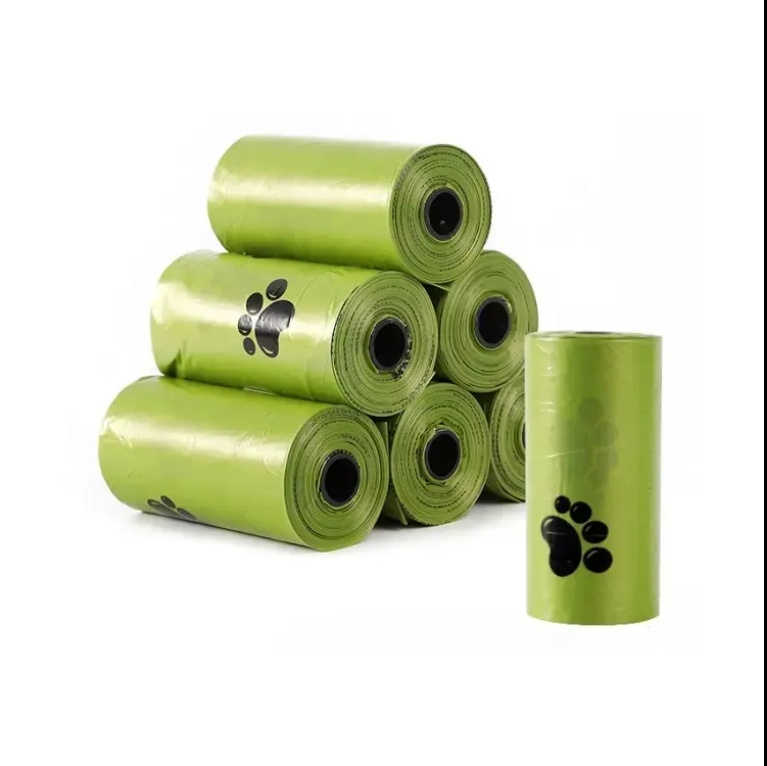
Since the emergence of eco-friendly plastic bags, the market has been mixed with inferior and fake products. To regulate the industry, the new national standard Biodegradable Plastic Shopping Bags was officially released in January 2026.
- The degradation rate threshold has been significantly raised from 60% to 90%.
- Clear time requirements: up to 180 days for 90% degradation under industrial composting, and up to 2 years in soil or marine environments.
- Clearer labeling: ingredients, degradation conditions, shelf life, etc., must be marked for consumer identification.
These changes mean the industry is moving from concept hype to real quality, benefiting consumers.
Conclusion
Environmental protection continues to gain global attention, and eco-friendly plastic bags are gradually becoming standardized.Shilongmao is a foreign trade company specializing in plastic products. If you need eco-friendly plastic bags, please contact us for a quote. Our professional team will reply and assist you promptly.
What Do You Know About Plastic Bags?
Oil Prices Soar, Why Are Eco-Friendly Bags More Resilient?
Related Article
Choosing the right packaging materials is essential for product safety, brand image, and customer satisfaction. Factors like product type, shipping method, and environmental requirements guide material selection. From paper to eco-friendly options, the right packaging solution protects your product, enhances brand value, and meets evolving market demands.
How to Choose the Right Packaging Materials for Different Products? A Complete Guide

Custom packaging quality depends on strict color matching, precise dimensions, stable materials, and consistent printing. Common issues include color deviation, size errors, and surface defects. Solutions involve sample approval, structural testing, material control, and process monitoring. Professional production management ensures stable quality, protects products, and strengthens brand image.
Common Problems and Solutions in Packaging Production: How to Ensure Stable Custom Packaging Quality

Custom packaging is no longer just protection—it's a powerful branding tool. High-quality, eco-friendly, and personalized solutions enhance product value, consumer trust, and market competitiveness. From paper materials to tailored designs, the right packaging elevates brand image, improves unboxing experiences, and supports sustainable growth in today's global marketplace.
Custom Packaging Solutions: How to Choose High-Quality Packaging Products That Fit Your Brand's Growth
We control plastic bag printing color difference through three core processes: Pantone-standard ink formulation, calibrated production in temperature/humidity-controlled environments, and dual-instrument quality inspection (ΔE<1.5). Achieving ≥95% Pantone reproduction accuracy, we ensure batch-to-batch consistency, eliminating color deviation for brand-quality custom packaging in foreign trade orders.
How to Control Color Difference in Plastic Bag Printing