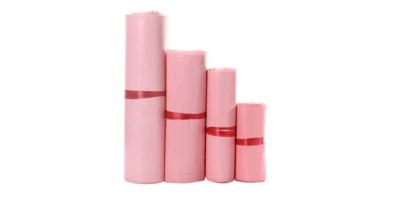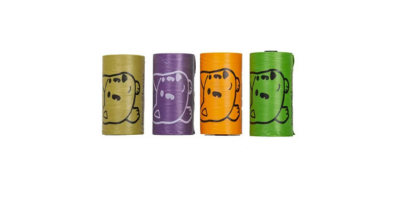
What Do You Know About Plastic Bags?
In our daily lives, plastic bags are almost everywhere — grocery shopping, shopping, express delivery, takeout, and many other aspects. Many people only know the word "plastic," or that plastic is made from petroleum. In fact, plastic is divided into many types, and due to different materials, their properties vary greatly.
To help buyers better choose the products they need, this blog will详细介绍 the material properties of various plastic bags and some other knowledge about plastic bags.
Common Plastic Bag Materials
1. PE (Polyethylene) – The most mainstream raw material for plastic bags
Polyethylene is currently the most widely used raw material for plastic bags. It is odorless, non-toxic, and has good chemical stability, resisting most acids and alkalis. Depending on density, it is divided into several subcategories:
-
LDPE (Low-Density Polyethylene)
-
Characteristics: Soft, high transparency, good hand feel
-
Temperature resistance: General, melting occurs above 110°C
-
Typical uses: Cling film, soft packaging bags, supermarket roll bags
-
Value for foreign trade: Suitable for lightweight packaging requiring high softness
-
-
HDPE (High-Density Polyethylene)
-
Characteristics: Relatively hard feel, high strength, resistant to 110°C high temperature
-
Temperature resistance: Resists about 110°C
-
Typical uses: Supermarket shopping bags, food bags, garbage bags
-
Value for foreign trade: Strong load-bearing capacity, suitable for heavy-duty packaging
-
2. PP (Polypropylene) – Excellent heat resistance
-
Characteristics: Moderate hardness, stretchable, good transparency
-
Advantages: Better heat resistance than PE, can be made into flat yarns through a stretching process
-
Typical uses: Food containers, raw material for woven bags, food packaging boxes
-
Processing features: Can be biaxially oriented, forming a triangular structure after stretching, used for bottom or side sealing
3. PET (Polyethylene Terephthalate) – The king of transparency
-
Characteristics: High transparency, good strength, good airtightness
-
Limitation: Heat resistance ≤70°C, not suitable for hot food
-
Typical uses: Beverage bottles, food packaging boxes
-
Value for foreign trade: First choice for high-end transparent packaging
4. Biodegradable Plastics (PLA, PBAT, etc.)
-
Characteristics: Bio-based and biodegradable, good transparency
-
Note: Performance degrades over time; it is recommended to choose products within one year of production date
-
Typical uses: Biodegradable shopping bags, food delivery packaging
-
Value for foreign trade: High premium for the eco-friendly concept, but attention must be paid to certification requirements in target markets
5. Woven Bags – Mainstay of industrial packaging
Woven bags are mainly made of polypropylene (PP) or polyethylene (PE) as raw materials. They are produced by extruding film, cutting, uniaxially stretching into flat yarns, and then weaving warp and weft.
-
Performance characteristics:
-
Light weight, high strength, corrosion-resistant
-
Can be moisture-proof and damp-proof with an inner plastic film lining
-
-
Classification by load capacity:
-
Light-duty bags: Below 2.5kg
-
Medium-duty bags: 25-50kg
-
Heavy-duty bags: 50-100kg
-
FIBCs (Flexible Intermediate Bulk Containers): Above 1000kg
-
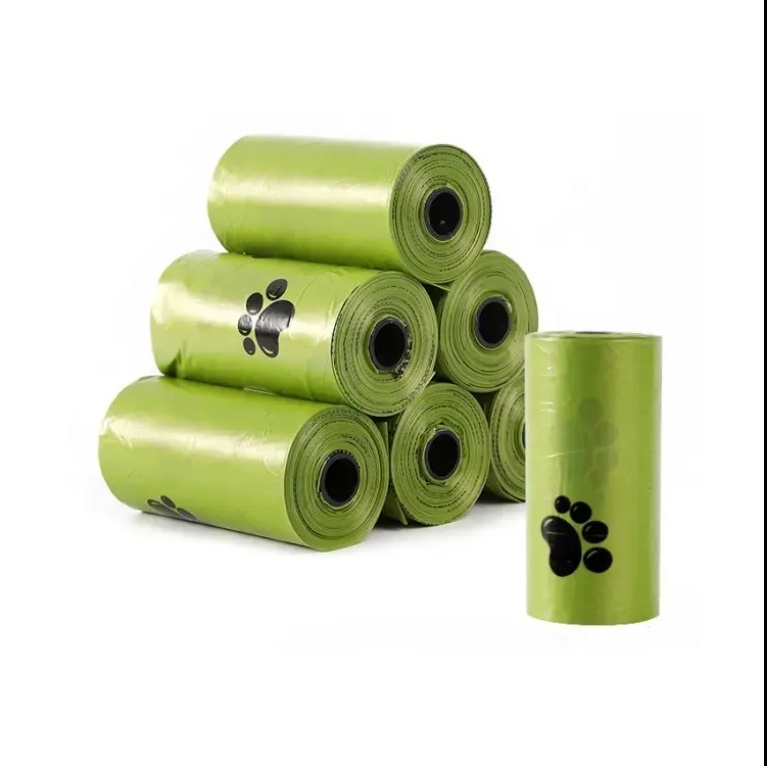
Identification Marks on Plastic Bags
Have you often seen a triangular symbol on plastic bags? What does it represent?
Recycling Mark (Triangular Symbol)
The triangular recycling mark on plastic products has a number inside, representing different materials. According to the standard GB/T 18455-2022 "Packaging Recycling Mark," the premise for allowing the mark is that the supplier must pre-evaluate whether the packaging can be recycled.
Common meanings of the recycling mark:
-
01 PET: Polyethylene Terephthalate
-
02 HDPE: High-Density Polyethylene
-
03 PVC: Polyvinyl Chloride
-
04 LDPE: Low-Density Polyethylene
-
05 PP: Polypropylene
-
Others: Other plastics or composite plastics
Special reminder: If there is a black solid triangle below the triangular mark, it means the plastic bag is made of recycled and reprocessed plastic and is not suitable for holding food. Everyone should pay attention to this.
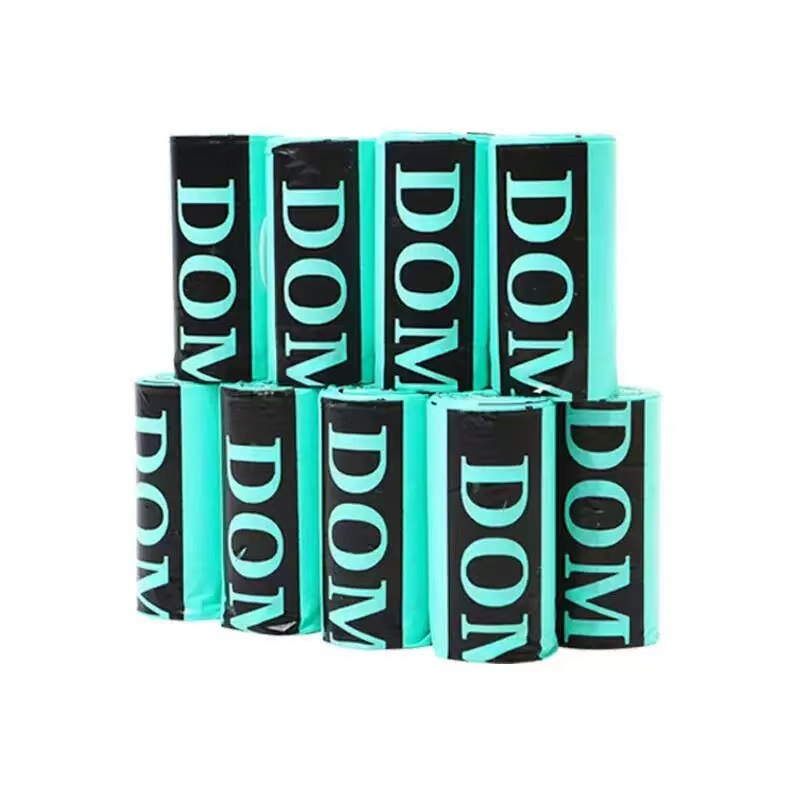
Recycled Plastic Mark (Latest Standard)
GB/T 45090-2024 "Plastics – Marks and Symbols for Recycled Plastics," published on November 28, 2024, and implemented on June 1, 2025, is an important milestone in China's recycled plastics field.
The core identification system of this standard adopts a "three-identification-group" text symbol:
-
First group: Defines the main material
-
Second group: Optional additional information (color, raw material source, characteristic performance, etc.)
-
Third group: Marks the recycled content and inorganic matter content
Example interpretation: "PET (REC70 A0)" means PET material, 70% recycled content, no ash content.
The mark uses the Möbius loop graphic with "REC" marked in the middle, and green color is recommended. This standard is of great significance for export enterprises — it can unify industry language and reduce trade communication costs.
Food Contact Mark
According to the "Food Safety Law of the People's Republic of China" and relevant standards, plastic bags for direct contact with food must comply with GB 4806.7-2023 "National Food Safety Standard – Plastic Materials and Products for Food Contact."
Key requirements:
-
Must be marked with the words "For Food Use" or "For Food Contact"
-
Need to check the supplier's license, product conformity certificate, and food-grade inspection report
-
Plastic bags without this mark cannot be used for holding exposed food
Summary
This article details some common knowledge about plastic bags, hoping to help you better understand plastic bags. If you have a need to purchase plastic bags, you can contact us, and we will serve you with the most professional attitude.
The Impact of High Temperature on Plastic Bags
What Are Eco-Friendly Plastic Bags?
Related Article