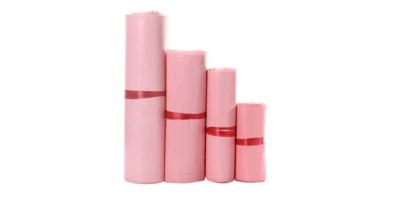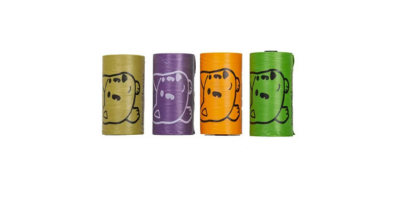
How to convert plastic bag thickness between "si" (Chinese unit) and "microns"?
Have you ever run into confusion about plastic bag thickness when sourcing? During our production and sales, many buyers have told us they've encountered this issue. In this blog, we'll break down plastic bag thickness from a professional perspective.
Many clients have faced problems like thinner products, insufficient load capacity, shipments not matching specifications, and after-sales rework—all because of mixed-up thickness units. This not only delays delivery but also increases packaging costs. As a professional plastic bag manufacturing factory with over a decade of experience, we handle large domestic orders as well as cross-border and overseas orders year-round. We know the industry's unit conversion standards and sourcing pain points inside out.
Today, we'll explain in detail the conversion formula between "si" and "microns", industry-standard thicknesses, and the right thickness for different applications—so you can communicate precisely with production, avoid sizing errors, and steer clear of costly mistakes.
First, the core issue: Plastic bags are thin flexible packaging materials that can't be measured accurately in millimeters. In China's packaging industry, the standard unit is "si" (a traditional unit), while foreign trade, cross-border e-commerce (e.g., Amazon), and international quality inspections use "microns". Mixing these two units is the main cause of communication errors. Mastering the exact conversion is key to customizing bags accurately, controlling quality, and managing costs.
1. Core Conversion Formula: Si, Microns, and Millimeters Side-by-Side
Many buyers tend to misremember the conversion ratio. Here is the only industry-standard formula used uniformly by all legitimate factories:
1 si = 0.01 mm = 10 microns
Conversely:
1 micron = 0.1 si
100 microns = 10 si = 0.1 mm
This is the national standard for the packaging industry—no regional or factory variations. All正规 factories follow this.
Quick memory rule:
-
Si → microns: multiply by 10
-
Microns → si: divide by 10
Example: A common 2-si bag = 20 microns; an 8-si heavy-duty bag = 80 microns. Though the numbers seem small, in mass production, these differences directly affect toughness, load capacity, puncture resistance, and pricing—and they're often the hidden reason behind price gaps between suppliers.

2. Why Use Si and Microns Instead of Millimeters?
New buyers often ask: why not just use millimeters, which everyone knows?
The reason: plastic bags are extremely thin—typical packaging thickness ranges from 0.02 mm to 0.2 mm. Using millimeters means too many decimal places, making recording, quoting, and production adjustments error-prone. Si and microns give more intuitive whole numbers, making it easier for factory machine adjustments, quality checks, and client verification. They are the optimal units for balancing production precision and communication efficiency.
-
Domestic orders in China default to "si"—this is the standard for verbal communication, quoting, and off-the-shelf bags.
-
Export orders, Amazon FBA, European/American retail, and international test reports all use "microns" to comply with global standards.
As a source factory, we support dual-unit labeling and provide corresponding parameter reports for both domestic and international clients to avoid cross-border miscommunication.
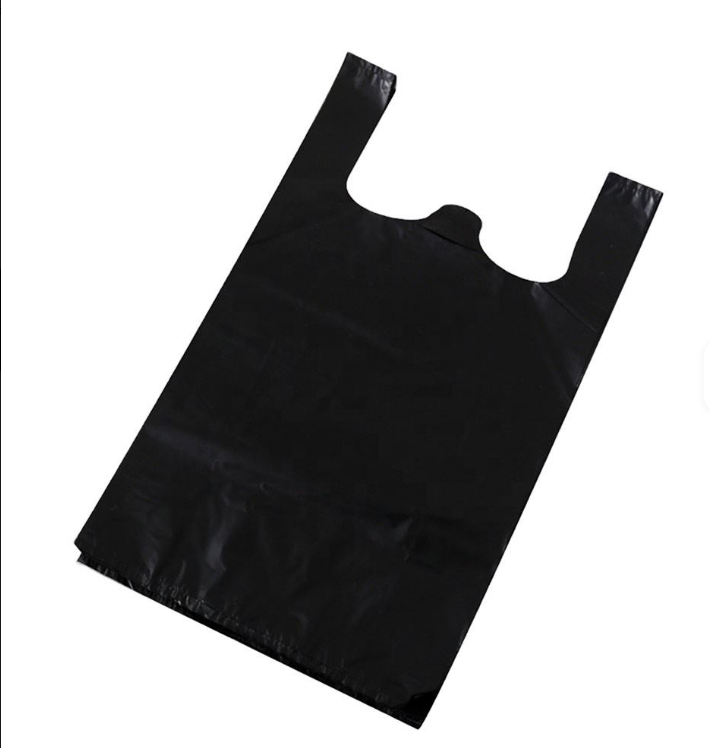
3. Common Thickness Reference Table (Si / Microns / Use Cases)
Based on years of production experience, here is a full-scenario thickness guide covering everyday packaging, food storage, logistics, heavy industry, cold chain, and vacuum applications:
| Thickness (si) | Thickness (microns) | Typical Applications |
|---|---|---|
| 1.2–2 si | 12–20 microns | Ultra-thin disposable vest bags, light dust covers, temporary lightweight packaging—low cost, minimal strength |
| 2–3 si | 20–30 microns | Standard general-purpose: supermarket carrier bags, takeout bags, garment dust covers—good for daily commercial use |
| 4–6 si | 40–60 microns | Thicker general-purpose: courier bags, fresh produce bags, snack zip-lock bags—preferred by e-commerce sellers |
| 8–12 si | 80–120 microns | Heavy-duty high-quality: food vacuum bags, cooked-food boil bags, cold-chain freezer bags, hardware parts packaging |
| 15–20 si | 150–200 microns | Extra-heavy industrial grade: industrial liners, bulky/heavy item packaging, sharp hardware storage—maximum tear/puncture resistance |
4. Common Sourcing Pitfall: Thickness Misrepresentation Is the Biggest Cost Trap
Once you understand the conversion formula, you also need to avoid the industry's biggest trap: thickness misrepresentation (under-specification).
Many low-cost workshops quote attractive prices—claiming 6 si, but actual measurement shows only 4 si. The unit price looks lower, but the material is skimped; bags are thinner and prone to tearing, leading to rework, returns, and product loss—costing you far more in the long run. Many buyers focus only on unit price without verifying actual si or micron specs, resulting in hidden losses.
A legitimate factory strictly follows the agreed parameters, with tolerances within industry standards. Every batch undergoes thickness testing, toughness checks, and seal quality inspections—no under-spec or uneven thickness.
Important reminder: Thicker isn't always better. Choose thickness based on your actual use case. Over-specifying wastes money; under-specifying affects performance. Matching si/micron parameters accurately is the key to cost control and quality assurance.
5. Factory Customization Advantages – Eliminate Unit Conversion Errors
As a direct-source plastic bag manufacturer, we handle both domestic and international custom orders. We are experts in both "si" (domestic) and "micron" (international) conversions and labeling standards.
We support:
-
Free conversion if you provide either unit
-
Production parameter adjustment accordingly
-
Dual-unit labeling on packaging, inspection reports, and delivery documents—suitable for cross-border export, platform compliance, and quality audits
We use 100% virgin materials, high-precision equipment, and maintain very tight thickness tolerances. We produce all types: PE bags, PP bags, vacuum bags, courier bags, food packaging bags, industrial liners, and more. We offer sampling, parameter verification, custom printing, and functional upgrades—helping you solve unit confusion, thickness mismatches, and quality inconsistency once and for all.
In summary: As a factory with over 10 years of experience, we've accumulated deep industry knowledge. If you have customization needs or aren't sure which thickness suits your scenario, feel free to reach out. We'll leverage our expertise to provide you with accurate, cost-effective, one-stop packaging solutions.
How Long Do Plastic Bags Last? The Inventory Cost You Must Calculate Before Bulk Stockpiling
5 Key Factors Affecting Plastic Bag Prices
Related Article