Plastic Flat Bags and Garbage Bags: A Comprehensive Guide to Material Selection, Applications, and Industry Best Practices
Plastic flat bags and plastic garbage bags are among the most commonly used and frequently relied upon everyday items. Their high cost-effectiveness, strong practicality, and wide adaptability make them widely applied across industrial production, retail, warehousing and logistics, municipal sanitation, household use, and many other sectors. As a plastic manufacturing factory with over a decade of experience, we have compiled our expertise in the hope of helping you. This article provides a professional, in-depth look at the core knowledge surrounding plastic flat bags and garbage bags, assisting businesses, enterprises, and individuals in making precise product selections and compliant usage decisions, while also offering insight into the production standards and industry value of high-quality plastic packaging products.
I. Core Definitions and Key Characteristics of the Two Main Products
1. Plastic Flat Bags: Versatile Basic Packaging Consumables
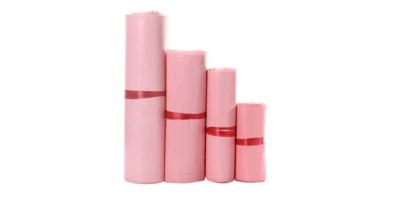
Plastic flat bags are seamless, flat plastic film bags without handles or closures, representing a foundational category in the plastic packaging industry. They are primarily made from food-grade and industrial-grade raw materials such as High-Density Polyethylene (HDPE) and Low-Density Polyethylene (LDPE), ensuring safety, environmental friendliness, and strong durability. Depending on thickness, density, and manufacturing processes, flat bags can offer transparency for visibility, dustproofing, moisture resistance, waterproofing, oil resistance, pressure resistance, and wear resistance. Their simple, neat structure, lack of extra components, and ability to be freely sealed or folded for compact storage make them lightweight, practical, and suitable for a wide range of basic packaging and storage needs.
2. Plastic Garbage Bags: Specialized Functional Cleaning Consumables
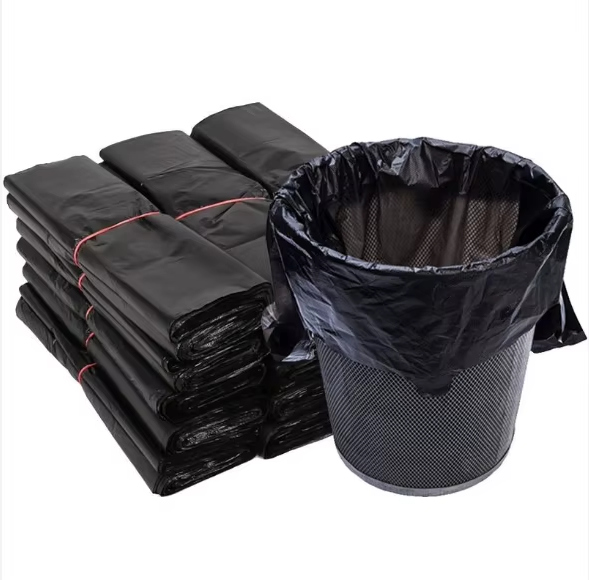
Plastic garbage bags are functionally designed cleaning products, primarily intended for collecting and transporting household waste, industrial scraps, and commercial refuse. Compared to standard flat bags, garbage bags are manufactured with greater emphasis on tensile strength, load-bearing capacity, tear resistance, and sealability to effectively prevent leakage, breakage, odor dispersion, and secondary environmental pollution. Most standard garbage bags are made from thickened HDPE material, while certain commercial and industrial versions incorporate specialized toughening formulas to handle wet/dry mixed waste, sharp debris, and heavy refuse. They are essential supporting products for environmental sanitation and the implementation of waste sorting systems.
II. Material Differences and Selection Criteria
Material quality is the decisive factor in a plastic bag's performance, lifespan, and suitability for specific applications, and it represents a key differentiator between reputable factories and substandard workshops. Cheap, low-quality plastic bags on the market are often made from recycled mixed materials, resulting in thinness, fragility, unpleasant odors, and potential harmful substances that make them unsuitable for commercial, industrial, or food-contact uses. Professional manufacturers produce both flat bags and garbage bags using 100% virgin raw materials—free from recycled content, impurities, and odors—ensuring safety, compliance, and adaptability across various standard applications.
1. LDPE Material: Soft, Transparent, Ideal for Delicate Applications
LDPE flat bags offer high transparency, softness, good sealability, and a smooth feel, providing a refined and premium appearance. They are primarily suited for food packaging, jewelry storage, electronic product protection, and garment packaging, where they clearly display contents while offering effective dust, moisture, and scratch protection. LDPE is the material of choice for lightweight luxury items, food products, and precision small parts packaging.
2. HDPE Material: Strong, Durable, Built for Heavy-Duty Applications
HDPE products exhibit superior toughness, tensile strength, wear resistance, and shape retention, along with resistance to high temperatures and chemicals, making them more versatile and robust. Thickened industrial flat bags, large heavy-duty sanitation garbage bags, and industrial waste bags are typically made from HDPE to reliably handle heavy loads, outdoor conditions, and complex workshop environments. Certified HDPE products meet relevant quality and safety standards, are non-toxic and harmless, and comply with international packaging safety requirements, making them suitable for a wide array of commercial and residential uses.

III. Comprehensive Application Scenarios
1. Plastic Flat Bags: Universal Packaging and Storage Across Industries
Plastic flat bags are essential consumables across industrial, commercial, and household sectors. In industrial settings, they are used for sorting, storing, and protecting hardware parts, electronic components, plastic products, and small industrial items from moisture, dust, and abrasion. In commercial environments, they serve as clean, attractive individual packaging for retail goods, clothing, footwear, accessories, gifts, and cultural/creative products. In daily household use, they are ideal for portioning food, organizing miscellaneous items, and storing seasonal goods against moisture. Flat bags can be customized in thickness, size, and transparency to meet specific packaging needs, and are widely used in warehousing, logistics, and product outbound packaging processes.
2. Plastic Garbage Bags: Tailored Solutions for Different Cleaning Needs
Plastic garbage bags are specialized for waste collection and are available in four main categories to address diverse scenarios: Household grade – thin, flexible, and leak-resistant, designed for everyday kitchen and general waste with good break resistance. Commercial heavy-duty grade – enhanced hardness and load capacity for high-frequency use in hotels, restaurants, offices, shopping malls, and convenience stores, minimizing leaks and tears. Industrial special-duty grade – extra-thick and large-sized bags engineered for factory scraps, heavy waste, and sharp materials, offering exceptional tear and wear resistance with high load-bearing strength. Municipal sanitation grade – extra-large, high-toughness custom bags for large-scale waste collection in residential communities, streets, parks, and scenic areas, efficiently meeting the demands of sanitation operations.
IV. Summary
The above covers the core knowledge regarding plastic flat bags and garbage bags. If you have any further questions or would like to learn more, please feel free to contact us—our professional team will be happy to assist you. We hope you place your trust in us, and we are committed to helping you solve your challenges with dedication and sincerity.
Green Revolution in the Plastic Bag Industry: Processes, Environmental Protection, and Future Trends
Distinguishing Pseudo-Degradable from Compliant Eco-Friendly Bags: Popular Science Insights from a Source Factory
Related Article