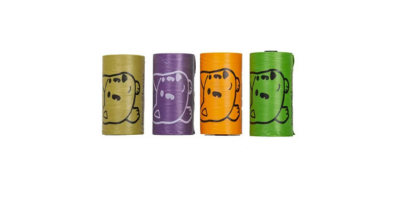

Rolled T-shirt Bags
Global demand for rolled t-shirt bags—ubiquitous in supermarkets, convenience stores, and small retailers—continues to grow, driven by a combination of retail expansion and evolving environmental regulations, according to a 2024 report by Grand View Research. The market, valued at approximately $2.1 billion last year, is projected to rise at a 4.2% annual rate through 2030, with sustainability emerging as a key growth driver. What was once a purely functional, low-cost item is now being reimagined as a carefully engineered product that balances convenience, cost, and ecological responsibility.
Traditionally made from low-density polyethylene (LDPE), rolled t-shirt bags are now increasingly crafted from biodegradable materials such as PLA (polylactic acid) and PBAT (polybutylene adipate terephthalate). PLA is typically derived from fermented plant starch, often from corn or sugarcane, while PBAT is a petroleum-based but fully compostable polymer. Blends of these materials can break down in industrial composting facilities within 90 to 180 days, leaving behind no persistent microplastics or toxic residues. This material shift comes as governments worldwide tighten plastic waste rules. The European Union's Single-Use Plastics Directive, for instance, mandates that by 2025, all plastic bags must be compostable or reusable, effectively phasing out conventional LDPE bags. Similarly, China has banned non-degradable plastic bags in major cities since 2021, with enforcement now expanding to smaller municipalities and rural areas. In response, manufacturers across Asia have retooled production lines to focus on certified compostable and oxo-biodegradable alternatives.
Retailers are also embracing the change to meet rising consumer expectations. Major chains like Walmart and Carrefour have started phasing out traditional rolled t-shirt bags in favor of eco-friendly alternatives. Both companies have reported a 15–20% increase in customer satisfaction scores linked directly to sustainable packaging choices. "Consumers now associate our brand with environmental responsibility, and rolled t-shirt bags—being a daily touchpoint for millions of shoppers—play a big role in that association," said Maria Lopez, a sustainability manager at Carrefour Europe. Independent retailers are following suit, with many small grocery stores and corner shops now offering biodegradable bags at checkout, often printed with messages encouraging reuse or proper composting.
Despite clear momentum, industry challenges remain. Biodegradable materials currently cost 10–15% more than traditional LDPE, partly due to lower production volumes and more expensive raw materials. However, manufacturers like Berry Global and Novolex are investing heavily in production technology to lower costs. Innovations such as thinner yet stronger biodegradable films have helped reduce material use by up to 12%, bringing down per-unit costs while maintaining durability. Some companies are also experimenting with blending recycled content (PCR) into biodegradable formulas, further lowering the carbon footprint of each bag.
Looking ahead, emerging markets in Asia and Africa are expected to drive further growth, as rising urbanization and rapidly expanding retail sectors boost demand for convenient, affordable packaging. In countries like Indonesia, Nigeria, and Vietnam, governments are simultaneously clamping down on traditional plastics while supporting local production of compostable alternatives. With ongoing policy support, falling production costs, and continuous material science advancements, rolled t-shirt bags are set to remain a retail staple—while becoming a far more eco-conscious one. The humble t-shirt bag, once a symbol of single-use waste, is slowly being reinvented as a small but meaningful part of the circular economy.
mailing bags
black small dog poop bag
Related Article