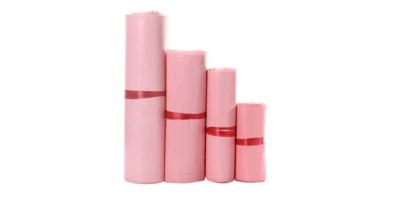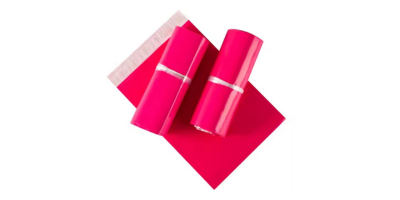
How to Choose Reliable Recycled Plastic Bags
Recycled plastic bags, thanks to their high cost-performance ratio and eco-friendly attributes, have become mainstream packaging choices in industries such as retail, logistics, and food processing. However, many procurement managers and packaging engineers repeatedly encounter problems when placing bulk orders with factories. These issues not only disrupt production lines but also increase hidden supply chain costs. As a plastic manufacturing factory with over ten years of experience, we have accumulated extensive product knowledge and procurement insights, and we have systematically organized these experiences and problems. This article will address the most practical issues related to selecting recycled plastic bags.
I. Most Frequent Practical Problems on the Procurement Side
-
Out-of-tolerance product dimensions and thickness. Some small processing plants lack precision equipment, resulting in finished bag width and length deviations exceeding ±5%, and uneven film thickness. Within the same batch, some bags are too soft and prone to deformation, while others are too hard to fold and stack properly. Automated packaging equipment cannot handle them, forcing manual secondary sorting and significantly reducing operational efficiency.
-
Inadequate seal strength. Under low-temperature storage or heavy-load conditions, bag seals and bottoms crack or leak easily, causing product loss. This is especially problematic for bulk materials and food outer packaging.
-
Environmental compliance and safety risks. Many intermediary-supplied recycled plastic bags lack formal testing. Raw materials are mixed with recycled waste, producing finished bags with a pungent plastic odor. When used for food contact, they cannot provide FDA or GRS recycling certifications, hindering customs clearance and supermarket entry. Lastly, inflexible MOQs and unstable delivery. Some factories either set high minimum order quantities, making it impossible for small-to-medium batches, or have chaotic production schedules after order confirmation, delaying delivery and disrupting the client's overall supply chain plans. These pain points are precisely the core issues that high-quality manufacturing factories need to address.
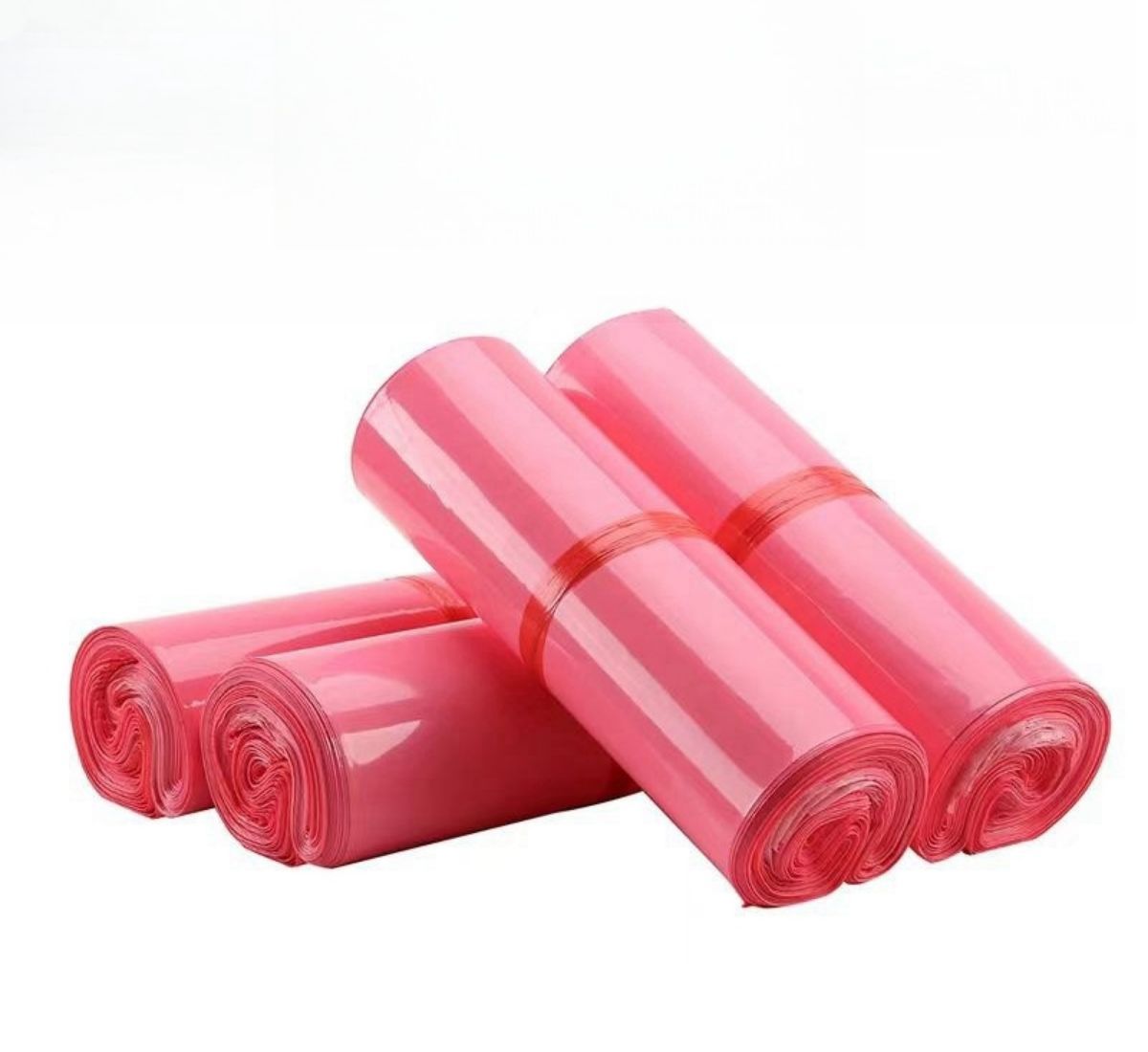
II. Professional Factory Solutions: End-to-End Control from Raw Materials to Finished Products
A正规 plastic packaging manufacturing factory uses fully automatic blown film machines and CNC bag-making machines, strictly adhering to ±3% dimensional and thickness tolerance standards. Once raw materials enter the production line, equipment monitors film elongation and thickness in real time, with the system automatically adjusting parameters to prevent uneven thickness from the start. After each batch is produced, the quality control team randomly samples to check length, width, and bag weight. Non-conforming products are isolated and reworked, ensuring uniform parameters across the entire batch for perfect compatibility with automated packaging lines. For heavy-load scenarios, the factory optimizes sealing processes using high-temperature heat sealing combined with cold pressing to enhance seal tensile strength, preventing opening or damage even when carrying heavy items during long-distance transport.
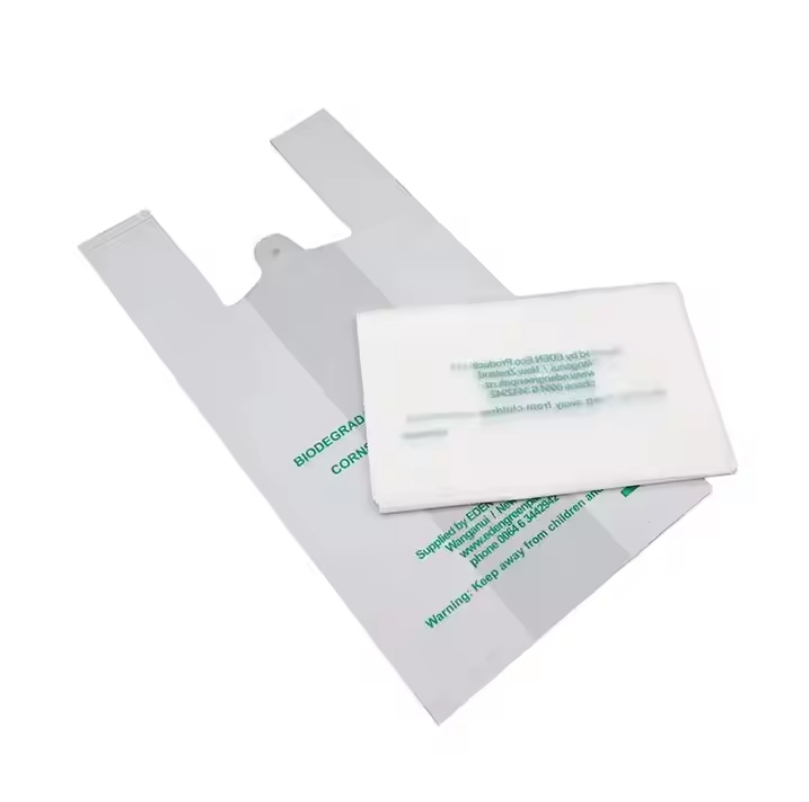
III. Compliant Raw Material Configuration, Fully Traceable Environmental Certifications
We use再生 PE/HDPE raw materials that have been screened, washed, and decontaminated, rejecting mixed industrial waste. All recycled materials hold GRS (Global Recycled Standard) certification, and food-grade versions additionally carry FDA food contact safety certification. Production workshops are zoned, with independent lines for food-grade bags to avoid cross-contamination. Finished products undergo odor and hazardous substance testing before leaving the factory, ensuring no irritating smells. All certification reports and test documents are provided with shipments, meeting customs clearance, brand onboarding, and third-party audit requirements for overseas clients.
IV. Flexible MOQs and Stable Logistics Delivery
Considering the different needs of buyers, the factory offers tiered minimum order quantities (MOQs). Standard common recycled plastic bags support small trial batches, while custom-printed or special specification bags have adjusted MOQs based on process requirements, accommodating both small purchasers and large enterprises. The factory has standardized warehousing space with common models in stock for quick dispatch of现货 orders. For custom orders, the sales and production departments synchronize schedules, clarifying production milestones and delivery times. Multiple mainstream logistics providers are partnered to match shipping solutions (sea or land) based on the customer's receiving address, with real-time logistics updates to minimize delay risks.
V. How to Choose Suitable Recycled Plastic Bags for Different Application Scenarios
-
Logistics, warehousing, and storage scenarios: Prioritize high-toughness, wear-resistant thickened recycled plastic bags, focusing on dimensional accuracy and load-bearing capacity. Confirm product tolerance ranges and seal strength. Basic solid-color styles without complex printing are preferred to control procurement costs.
-
Food and fresh produce outer packaging scenarios: Must have FDA food contact certification. Verify raw material traceability reports and test certificates. Bags should be odor-free, with no harmful substance migration, while also offering water and leak resistance to ensure product safety.
-
Brand retail and promotional packaging scenarios: In addition to basic quality, custom color printing and logo patterns are needed. Factories use environmentally friendly water-based inks that do not fade or produce odors, with high print clarity, balancing packaging practicality with brand display effectiveness.
VI. Summary
When procuring recycled plastic bags, the core is not simply competing on price, but comprehensively evaluating production precision, compliance qualifications, delivery capability, and after-sales support. For industrial procurement teams, choosing a physical manufacturing factory with complete equipment, strict quality control, and full certifications is the only way to fundamentally solve problems such as dimensional deviations, seal breakage, non-compliance, and delivery delays. Whether for regular周转 packaging, food outer packaging, or brand-customized products, standardized production processes and flexible cooperation models can provide a stable, cost-effective packaging solution for your supply chain. If you have any needs for recycled plastic bags, please feel free to contact us, Shimao, and our professional team will assist you.
High-Quality Paper-Plastic Composite Bag Procurement Guide
Analysis of the Impact of "Fish Eyes" on Custom Product Packaging
Related Article