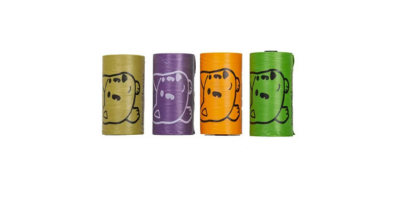

Garbage Bags
Biodegradable Garbage Bags See Surge in Demand as Global Plastic Pollution Fights Intensify
November 13, 2025 – Governments, retailers, and consumers worldwide are increasingly turning to biodegradable garbage bags as part of broader efforts to tackle plastic pollution, driving a sharp rise in market demand and production, new industry data shows.
A recent report from the Global Bioplastics Market Association (GBMA) reveals that global sales of biodegradable garbage bags are projected to grow by 15% year-on-year in 2025, reaching $2.3 billion. This surge comes as over 60 countries have implemented or tightened regulations on single-use plastics, with many mandating the use of biodegradable alternatives for household and commercial waste. The European Union, for example, recently updated its Single-Use Plastics Directive to explicitly encourage bio-based and compostable waste bags, while nations including India, Thailand, and Kenya have introduced similar measures to curb plastic litter in urban and coastal areas.
“Traditional plastic bags can persist in landfills and oceans for centuries, but biodegradable versions—made from materials like corn starch, sugarcane fiber, or polylactic acid (PLA)—break down into harmless substances like water and carbon dioxide within 90 to 180 days under proper composting conditions,” explained Dr. Elena Marquez, an environmental scientist at the University of Barcelona. “This makes them a critical tool for reducing plastic accumulation in ecosystems.” She added that when biodegradable bags enter industrial composting facilities, they leave behind no toxic residues, unlike conventional plastics that fragment into harmful microplastics.
Major retailers are joining the shift. Walmart, Tesco, and Carrefour have announced plans to phase out non-biodegradable garbage bags from their stores by 2026, while Amazon has started offering biodegradable options as the default choice for packaging and waste disposal in its fulfillment centers. In Asia, supermarket chains like Singapore's FairPrice and China's Hema have also begun replacing traditional trash bags with compostable versions, citing growing customer demand for sustainable choices.
Consumer adoption is also on the rise. A survey by market research firm Ipsos found that 72% of households in Europe and North America are willing to pay 10–20% more for biodegradable garbage bags, up from 58% in 2023. “We switched last year because we wanted to do our part for the planet,” said Sarah Miller, a London-based homeowner. “The bags work just as well as regular ones, so it’s an easy change.” In addition, many municipalities now offer curbside collection of compostable waste, making it easier for residents to use biodegradable bags without additional effort.
Despite the progress, challenges remain. Higher production costs and inconsistent composting infrastructure in some regions have slowed adoption. Biodegradable bags typically cost 20–30% more than conventional plastic bags, a price gap that deters cost-sensitive consumers and small businesses. Furthermore, in areas lacking industrial composting facilities, these bags may not break down as intended, potentially ending up in landfills where conditions are less favorable for decomposition. To address this, governments like Germany and Canada have launched subsidies for biodegradable plastic manufacturers, while China is investing $500 million to expand industrial composting facilities by 2027. The United States has also introduced federal guidelines to standardize biodegradable bag labeling, helping consumers make informed choices.
Industry experts predict the momentum will continue. “As regulations tighten and technology drives down costs, biodegradable garbage bags will soon become the global standard,” said Mark Lee, GBMA’s director of market analysis. “This isn’t just a trend—it’s a necessary shift to protect our planet.” With ongoing innovations in bio-based materials and growing public awareness, the biodegradable garbage bag market is expected to sustain double-digit growth for the foreseeable future.
Roll-up vest bag
Paper Courier Bags
Related Article