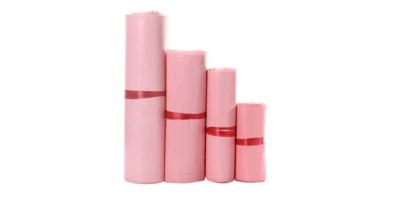
Raw Materials for Plastic Bags
When people think of the raw materials for plastic bags, the first thing that comes to mind is petroleum. When they think of coal, they might think of fuel—black, buried deep underground, and burning with thick smoke. In fact, coal can also be used as a raw material for plastic bags. Coal and plastic bags may seem unrelated, but coal can actually be turned into the everyday plastic bags we use.
Coal-to-plastic bags not only break petroleum's monopoly on plastic raw materials but also leverage mature technology, stable costs, and green transformation advantages to become an unstoppable new track for the global plastics industry, bringing new development opportunities to the packaging sector. This blog will explain how coal serves as a raw material for plastic bags.
Coal: Not Just Fuel, but Also a Chemical Raw Material
For a long time, coal has been widely used for thermal power generation and heating, but it has an even more important value—as a source of hydrocarbon compounds. Coal is rich in carbon, and through a series of chemical processes, the basic chemical raw materials needed for plastic production can be extracted.
This magical process is not complicated: coal is gasified to produce synthesis gas (carbon monoxide and hydrogen), which then undergoes methanol synthesis, olefin polymerization, and other processes to ultimately produce plastic raw materials such as polyethylene and polypropylene. These are the main materials for making plastic bags.

Complete Conversion Path
-
Coal Gasification Pretreatment: Raw coal is ground into powder and reacts with oxygen and water vapor in a high-temperature gasifier at around 1,000°C to produce synthesis gas (carbon monoxide + hydrogen).
-
Synthesis Gas to Methanol: The purified synthesis gas is reacted with a catalyst to produce methanol, a key intermediate carrier in the coal-to-plastic process.
-
Methanol to Olefins: Using domestic technologies such as DMTO and SMTO, methanol is converted into ethylene and propylene—the core monomers for making plastic bags.
-
Polymerization and Bag Making: Ethylene and propylene are polymerized into polyethylene and polypropylene pellets, which are then blown into film and processed into various products such as supermarket shopping bags, food packaging bags, and courier plastic bags.
Advantages of Coal-to-Plastic Bags
-
Maximized Resource Utilization
China is relatively rich in coal resources but faces a shortage of petroleum resources. Traditional plastic production is highly dependent on petroleum. Coal-to-plastic can effectively replace the petroleum-based route, ensuring national energy security and the supply of chemical raw materials. -
Obvious Cost Advantages
When international oil prices are high, coal-to-olefins have a significant cost advantage. Given China's resource endowment of being rich in coal but poor in oil, the coal chemical route is economically rational. Especially during high oil price cycles, the cost advantage becomes more prominent, helping packaging companies lock in profit margins and enhance market competitiveness. -
Continuously Advancing and Maturing Technology
Advances in modern coal chemical technology have significantly reduced energy and water consumption, while carbon emissions per unit of product continue to decline. The application of new catalysts and high-efficiency reactors has markedly improved the production efficiency of coal-to-olefins. -
Guaranteed Product Quality
Many people worry: Are plastic bags made from coal safe? The answer is completely safe. Coal-based polyethylene and polypropylene, after purification and refining, are identical in molecular structure and physical properties to petroleum-based products. They meet food-grade packaging standards and can be used to produce various specifications of plastic bags, cling film, plastic bottles, and more. -
Green Transformation and Alignment with Dual-Carbon Development Trends
Under the "dual-carbon" goals, the coal-to-plastic bag industry is accelerating its low-carbon transformation, breaking the bias of being "high-carbon." The industry is reducing carbon emissions through three main pathways: green hydrogen coupling, CCUS technology, and biodegradable upgrades.
Other Fun Facts
-
How many plastic bags can one ton of coal produce? Approximately 0.2 tons of plastic, equivalent to about 30,000 standard supermarket shopping bags.
-
Are coal-based plastic bags more environmentally friendly than petroleum-based ones? The finished products are identical, but the coal chemical process has higher carbon emissions. However, with the application of CCS (carbon capture and storage) technology, this issue is being improved.
Conclusion
From black coal to white plastic bags, behind this transformation lies the crystallization of intelligence and technology. Coal-to-plastic bags have broken petroleum's monopoly as a plastic raw material, solving industry pain points such as cost volatility and energy security. If you have any needs for packaging plastic bags, please contact us. Our dedicated sales team will serve you with professionalism and attentiveness.
The Future of Renewable Packaging
How Are Chinese Plastics Companies Affected by the Middle East Conflict?
Related Article