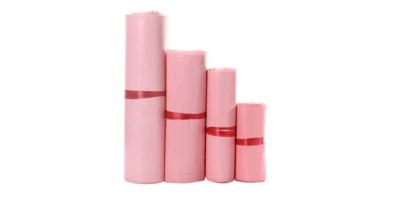
The Future of Renewable Packaging
In 2026, the plastics industry stands at a crossroads. In recent years, environmental protection has been promoted worldwide, with adjustments being made across various aspects and stages. Some countries have implemented stringent environmental laws requiring the use of eco-friendly products. Traditional plastic bags can no longer meet market demands, leading scientists to develop degradable plastic bags. However, due to their high production costs and inferior performance compared to traditional plastic bags, global attention has shifted toward renewable materials.
At the same time, China has introduced policies to increase the application of recycled materials in plastic bag packaging. This indicates that the future of plastic bags lies in "green" plastic bags. Against the backdrop of growing global environmental awareness, the plastic bag industry is undergoing unprecedented transformation and change. As professionals in the field of plastic bag foreign trade, we deeply understand the current state and future of the industry. This blog will analyze the market and future of renewable plastic bags.

Industry Innovation Driven by Policies
Driven by global environmental policies, the plastic bag industry is experiencing accelerated innovation and development. Global environmental policies increasingly emphasize increasing the proportion of recycled materials in plastic bags. As the world's largest producer and exporter of plastics, China holds a distinct advantage due to its complete industrial chain.
What Are Renewable Plastic Bags?
Renewable plastic bags go beyond just being degradable. So, what exactly are renewable plastic bags?
-
Post-Consumer Recycled Materials: This is currently the mainstream approach in European and American markets. It involves回收, cleaning, crushing, and granulating used plastic films, bottles, and other waste, then reprocessing them into new plastic bags.
-
Bio-Based Materials: These are plastics made from starch or cellulose extracted from plants (such as sugarcane, corn starch, and cassava). As highlighted by recent advances in materials science, modern bioplastics can even be made from non-food crops (such as switchgrass and wood chips), completely avoiding competition for land resources.
How Do Renewable Plastic Bags Achieve Circularity?
As the name suggests, renewable plastic bags can be recycled and reused after their initial use, enabling a circular economy.
-
Raw Materials and Processes: Using recycled plastics (Post-Consumer Recycled Plastic, PCR) as raw materials, through precision processes such as sorting and purification, melting and granulation, and film extrusion, waste plastics (beverage bottles, packaging films, factory offcuts, etc.) are transformed into reusable packaging materials, achieving a closed-loop cycle of "resources-products-renewable resources" and reducing white pollution at its source.
-
Environmental and Performance Advantages: Compared to traditional petroleum-based plastic bags, renewable plastic bags offer significant environmental benefits while delivering performance comparable to or even exceeding that of traditional products. Producing 1 ton of renewable PE plastic bags reduces CO₂ emissions by 2.3 tons and saves 3.2 tons of petroleum resources. Ten thousand renewable plastic bags are equivalent to recycling 50,000 500ml mineral water bottles. Production processes employ low-temperature melting and closed-loop water circulation technologies, reducing energy consumption by 50%. Combined with water-based ink printing, VOC emissions are significantly reduced, achieving a full-chain green upgrade of "eco-friendly production, safe use, and convenient recycling."
Renewable Plastic Bags Meet Diverse Needs
With technological advancements and breakthroughs, renewable plastic bags can fully meet the demands of various scenarios, including retail, e-commerce, industry, and commerce.
-
Retail Sector: Many international supermarkets have fully switched to renewable shopping bags. A significant number of global consumers consider the environmental attributes of packaging, with 45% willing to pay a premium for green-certified packaging.
-
E-commerce and Logistics Sector: Renewable courier bags are lightweight, high-strength, puncture-resistant, and leak-proof, making them suitable for cross-border e-commerce and overseas warehouse shipping. They reduce logistics costs while meeting platform environmental requirements.
-
Industrial Sector: Using high-strength PE and PP recycled materials, these bags can withstand weights of 10–50kg. They are tear-resistant, moisture-proof, and dust-proof, making them widely applicable for packaging chemical raw materials, hardware, electronics, and other products.
-
Agricultural Sector: Double-layer agricultural films combining degradable and renewable structures achieve a closed loop of "post-use recycling-reprocessing-reuse," gaining popularity in emerging markets such as the Middle East, Africa, and Southeast Asia.
Conclusion
Against the backdrop of global environmental trends, renewable plastics are an excellent choice. They retain the advantages and characteristics of traditional plastic bags while incorporating the environmental benefits of degradable plastic bags. Renewable plastic bags have gained recognition and favor from many countries. As a plastic manufacturing factory with years of experience, we at Shimao have consistently pursued innovation and breakthroughs. If you have any needs regarding renewable plastic bags, please contact us, and our professional team will be at your service.
Thin or Thick Plastic Bags? Match Your Use & Save Money
Raw Materials for Plastic Bags
Related Article