How to Optimize Your Brand’s Cost and Sustainability from the Production Source?
Many industries—such as catering, retail, e-commerce, and packaging—face two long-standing challenges: wasteful brand spending and pressure to meet environmental compliance. When purchasing packaging, most businesses care most about price. But behind the price lie many other important factors: product damage, quality, compliance, cost-effectiveness, and brand image. To truly achieve cost reduction and efficiency gains while maintaining brand image, you need to start at the source of packaging—paying more attention to the supply chain and quality control standards.
As a professional plastic bag manufacturer, we have deep expertise in custom packaging and mass production, serving small and medium-sized brands and cross-border businesses worldwide. We’ve found that true cost optimization never comes from cutting raw material costs or using low-quality, cheap packaging. Instead, it comes from standardized production at the source, precise custom matching, compliant and sustainable upgrades, and a stable quality control system—helping businesses eliminate inefficiencies and achieve cost control, consistent quality, and green compliance.
In the global trade environment of 2026, plastic packaging is no longer just a product’s “outer shell.” As environmental awareness grows worldwide and consumers demand more sustainable practices, finding a plastic bag manufacturer that balances performance, cost, and environmental compliance has become a core part of supply chain management for brands and large wholesalers.
This article takes a deep dive, from the perspective of a plastic packaging production expert, into how factory-direct customization can reduce logistics waste while enhancing brand value.
1. Current State of the Plastic Packaging Market: From Generic to Custom
In the past, buyers often looked at price as the only criterion when sourcing a plastic bag factory. But today, Google search trends show sharp rises in terms like “high-performance barrier bags,” “PCR recycled bags,” and “anti-static industrial packaging.”
As a source factory, we see three major shifts:
-
Material lightweighting: Better blown film technology achieves stronger puncture resistance with thinner gauges, directly lowering shipping costs.
-
Environmental compliance: GRS certification has become a must-have for entering European and U.S. markets.
-
Brand interaction: Print quality and tactile feel of packaging directly affect the unboxing experience.
2. Material Selection: HDPE, LDPE, or Biodegradable?
Many clients are confused why the same specifications have vastly different quotes—often due to raw material ratios.
-
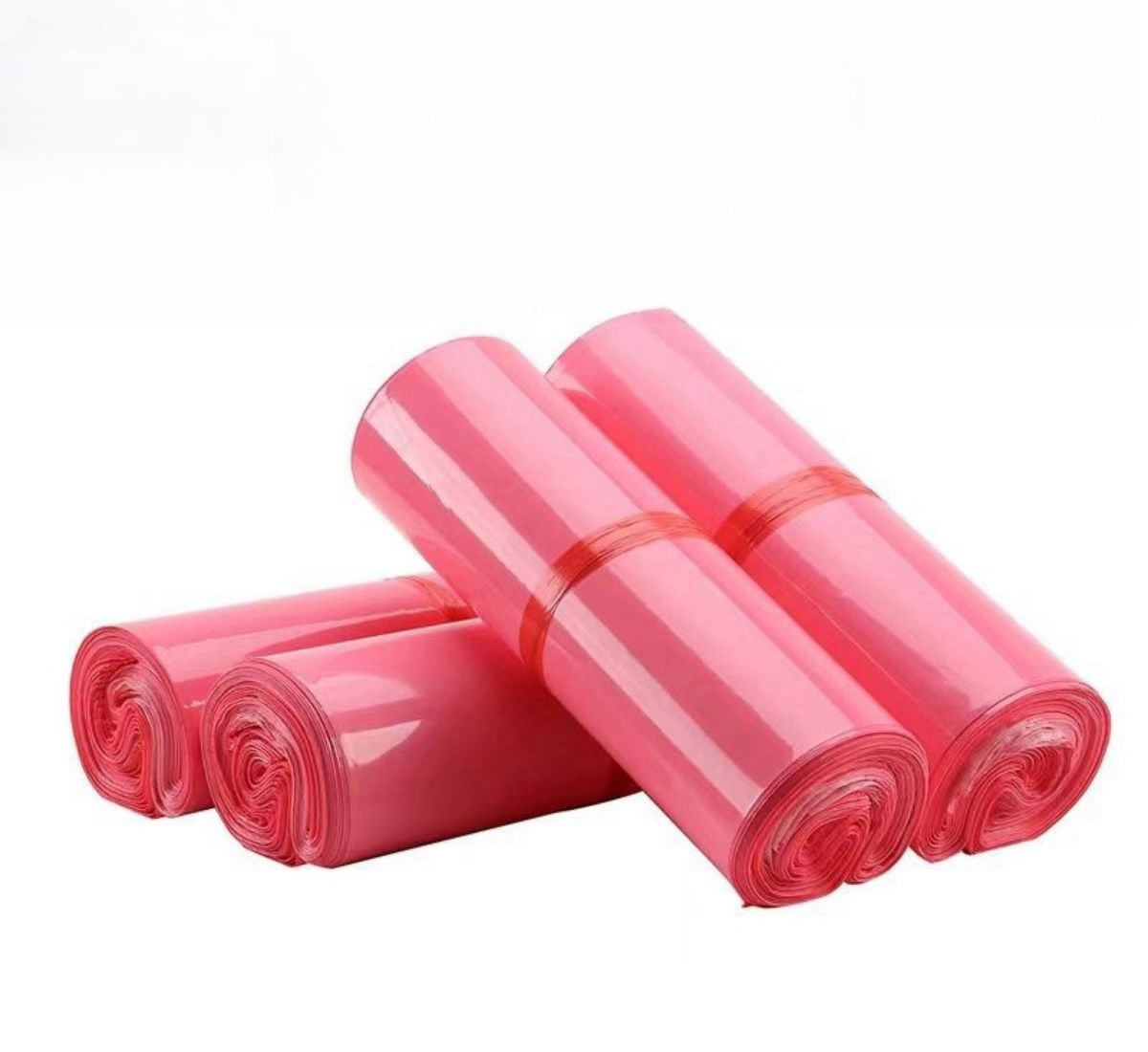
HDPE: Stiffer, paper-like tear, excellent load-bearing. Ideal for shopping bags, T-shirt bags.
-
Tip: For heavy but small-volume products, choose HDPE and reduce thickness for best value.
-
-
LDPE: Soft, high clarity, good gloss. Common in brand apparel bags, industrial shrink film.
-
Tip: For premium retail brands, LDPE offers better color accuracy and premium look.
-
-
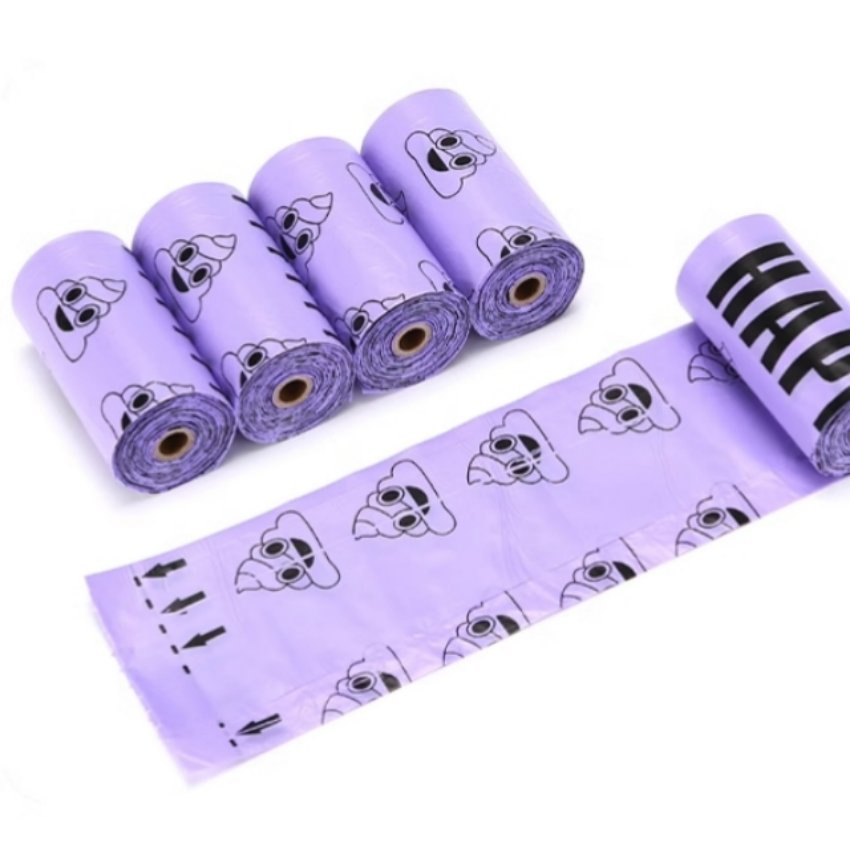
Biodegradable & PCR (Compostable): Highly searched on Google. Whether PBAT+PLA or PCR plastic with 30-50% recycled content, these are the best responses to carbon tariffs.
3. Why Directly Sourcing from a “Source Plastic Bag Factory” is Key to Cost Reduction
Traditional trade chains add middleman markups. Working directly with a manufacturer offers more than just price advantages:
-
Customized physical properties: Add specific additives (e.g., slip agents) to improve automated packaging line efficiency.
-
Precision printing control: From gravure to high-definition flexo/offset printing, factories can match brand colors (Pantone) consistently across batches.
-
Supply chain stability & lead time: Factories with in-house blown film, printing, and bag-making control production cycles better, avoiding delays.
4. Buyer’s Guide: How to Evaluate a Plastic Bag Manufacturer’s True Strength
-
Equipment sophistication: Multi-layer co-extrusion blown film lines significantly enhance strength and barrier properties.
-
Quality certifications: Beyond ISO 9001, check for food-grade production environment (for food packaging) or environmental certifications.
-
Sample testing process: Responsible factories provide material tensile test reports (TDS) and coefficient of friction reports—not just verbal promises.
Summary
If you’re looking for more eco-friendly, durable, and cost-competitive packaging for your products, feel free to consult our technical team. We offer not only products but also one-stop packaging solutions from design to global delivery.
How PCR Recycled Plastic Bags Can Meet Market Access Standards in Europe and the US
From Plastic Restriction Orders to a Green Revolution: How Can Companies Choose the Best Plastic Packaging Solutions Amid Global Environmental Trends?
Related Article