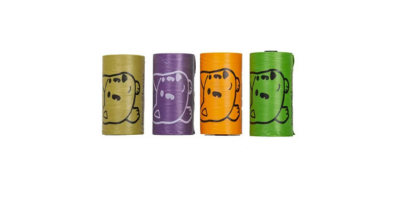
Drawstring Trash Bags
Drawstring Trash Bags Gain Global Popularity: Blending Ease and Eco-Consciousness
November 4, 2025 – The drawstring trash bag, once a niche household item, has become a global favorite, fueling a booming market. According to Grand View Research, the global market for drawstring trash bags reached $2.8 billion in 2024 and is projected to grow at a compound annual rate of 6.2% through 2030, with North America and Europe leading the way. This rapid rise stems from solving old pain points—leaky bags, messy knots, and frustrating rips—while also meeting new eco-demands from consumers and regulators alike.
Convenience remains the primary driver of the drawstring bag's appeal. Unlike traditional trash bags that often leak at the seams or require messy, time-consuming knots, drawstring designs allow users to simply pull the integrated cords and cinch the bag shut with one smooth motion. This effectively traps odors, prevents spills, and makes carrying heavy loads significantly easier. "I used to get trash juice on my hands every time I took out the kitchen bin—now it's just pull and go," says Lisa Martinez, a parent from Chicago. Top brands have doubled down on durability as well. Glad's ForceFlex technology, for example, holds up to 30 pounds without tearing, even when stretched. Clorox's RipGuard line resists sharp edges from broken glass or tin cans, making drawstring bags reliable for both indoor use and outdoor yard waste collection. Some premium models now feature multi-layer co-extruded films that block up to 99% of bacterial leakage.
Sustainability has quickly become the second pillar of the drawstring bag revolution. As concerns over plastic pollution grow worldwide, brands are shifting toward greener materials without sacrificing convenience. Seventh Generation manufactures drawstring bags from 100% post-consumer recycled plastic—primarily recovered milk jugs and detergent bottles—diverting waste from landfills. Norway's BioBag produces compostable drawstring bags made from corn starch and other plant-based polymers; these bags saw 40% sales growth in Europe during 2024, driven largely by the EU's Single-Use Plastics Directive, which penalizes non-recyclable plastic products. Even mainstream household giants are following suit. Procter & Gamble has announced that by 2027, 50% of its Charmin brand drawstring trash bags will be made from bio-based materials, with a long-term target of 100% by 2035. Walmart's private-label brand now requires all its trash bags to include at least 30% recycled content.
Government policies and shifting consumer habits are accelerating the trend. In the United States, states like California and New York have banned single-use plastic shopping bags, indirectly boosting demand for multi-purpose drawstring trash bags that can serve various household needs. Seattle offers tax breaks for retailers and residents who purchase eco-certified trash bags. In Asia, South Korea's "pay-as-you-throw" waste management systems—where households pay per bag of waste disposed—have increased demand for drawstring bags that seal securely and simplify recycling sorting. A 2024 Nielsen survey found that 78% of global shoppers are willing to pay 10–15% more for sustainable products, up sharply from 65% in 2020. This "green premium" is strongest among millennial and Gen Z consumers, who now represent a majority of household purchasing decisions in many countries.
The future promises even more innovation. Researchers are testing algae-based plastics and mushroom mycelium as next-generation materials for drawstring bags, aiming for home-compostable options that break down in backyard bins. DuPont is developing smart drawstring bags with QR codes printed on each package; consumers can scan to view disposal tips, locate local recycling centers, or set refill reminders. "It's no longer just about convenience—it's about planet-friendly daily living," says Michael Chen, a senior analyst at Green Packaging Trends. "The drawstring trash bag may seem like a small upgrade, but when billions of bags are used each year, every improvement in material and design multiplies into meaningful environmental gain." For households and businesses alike, the drawstring trash bag proves that small, thoughtful upgrades can add up to very big differences.
Paper Courier Bags
Eco-Friendly Mail Sacks Transform Global Logistics
Related Article