The Impact of High Temperature on Plastic Bags
The Impact of High Temperature on Plastic Bags
The essence of temperature is the intensity of molecular thermal motion. This microscopic change directly determines the macroscopic behavior of plastics: at high temperatures, materials become softer and more flexible (though strength decreases); at low temperatures, they become harder and more brittle. This fundamental law leads to vastly different behaviors of plastic bags at different temperatures. Temperature is one of the key factors affecting the performance of plastic bags. As seasons change and summer approaches, temperatures rise. What impact will high temperatures have on plastic bags? To better understand the effects of high temperatures on plastic bags, this blog will analyze the impact of high-temperature conditions on plastic bags and the scenarios we may encounter.
How Temperature Affects Plastic Molecules
The main raw material for plastic bags is polyethylene (PE), common types including low-density polyethylene (LDPE), linear low-density polyethylene (LLDPE), and high-density polyethylene (HDPE). Polyethylene molecules have a long-chain structure. In the solid state, some of these molecular chains align neatly to form "crystalline regions," while others curl randomly to form "amorphous regions."
The essence of temperature is the intensity of molecular thermal motion. When temperature rises, molecular chains gain more energy, move more vigorously, and the forces between them weaken; when temperature drops, molecular chain movement is restricted and gradually becomes "frozen."
High Temperatures Arrive: An Invisible Crisis of "Bags"
Scenario 1: On Sunday, you receive a delivery notification from a fresh food platform. You open the door, and the courier hands you a slightly soft mailing bag. After opening the outer layer, you find that the frozen ribs inside have partially thawed, and the blood has seeped out of the inner bag, staining the inner wall of the outer bag dark red. You carefully carry the bag to the kitchen, with water droplets dripping along the way.
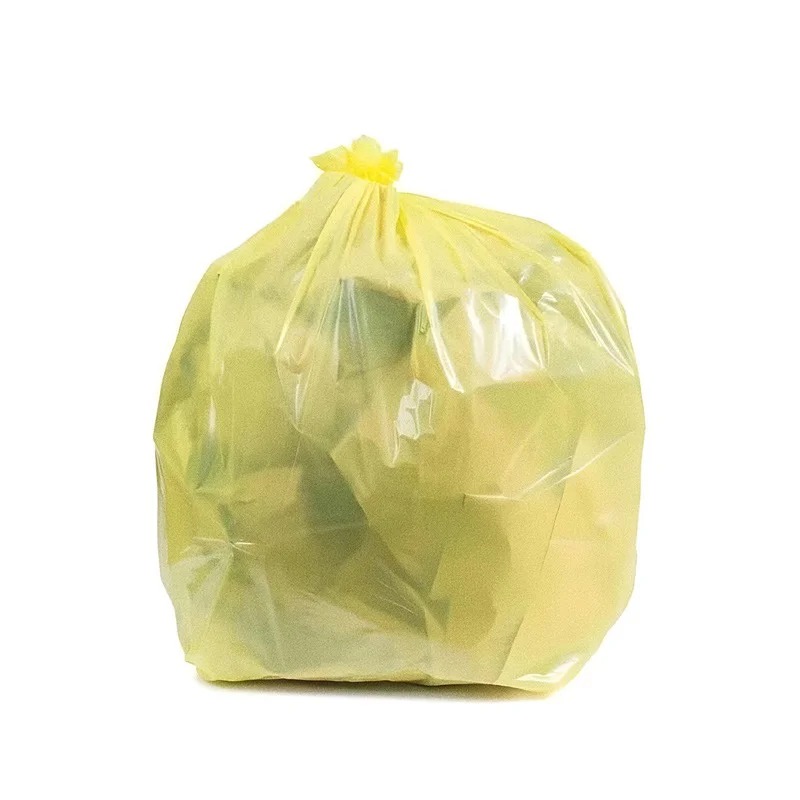
Scenario 2: At 7 p.m., after cooking a hearty dinner. Leftover food, watermelon rinds, and fruit peels are mixed together, and you habitually put them into a garbage bag. The next morning, you open the kitchen door and are greeted by a sour, putrid smell. At the bottom of the garbage bag, a small puddle of murky liquid has already seeped through to the bottom of the bin.
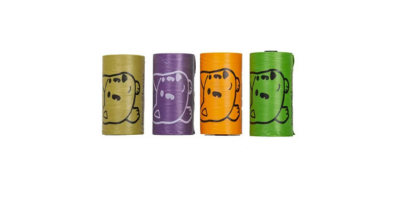
Scenario 3: On a weekend afternoon, you take your dog for a walk. The dog poops under a tree. You take out your portable poop bag. It's thin and feels slippery. You bend down to pick it up, and with a little pressure from your fingers — the bag breaks.
These are all scenarios we can encounter in daily life, and they are scenarios we find unbearable.
What Kind of Bag Can Help Us Avoid Such Scenarios?
-
High tensile strength: Resists deformation or even tearing caused by heavy items pulling downward.
-
Puncture resistance: Sharp objects are the "natural enemy" of bags. Good mailing bags add modified materials to the LDPE base material or use co-extrusion technology to significantly improve puncture resistance.
-
Excellent heat seal strength: The seal is the weakest point. High-quality mailing bags use high-strength hot-melt adhesive strips or wide-edge heat sealing processes to ensure the seal does not burst even when internal pressure increases.
In addition, a detail that is easily overlooked is the uniformity of bag thickness. Inferior bags have uneven thickness — thin at the bottom, thick on the sides — and under high temperatures, the thinnest part will be the first to rupture. Products with stable blown film processes can control the thickness deviation of the entire bag within ±5%, ensuring product uniformity.
What Kind of Bag Is Truly Leak-Proof?
-
Level 1: Physical leak-proofing. The bag body itself has no pinholes or micro-holes. This requires high-quality dies and strict online pinhole inspection during production. A micro-hole invisible to the naked eye can turn into a crack under heavy pressure.
-
Level 2: Structural leak-proofing. The bottom heat seal is the most prone to leakage. Reinforced heat-sealed bottoms use double or even triple seal lines, with seal widths more than twice that of ordinary bags. Even if the outer seal is corroded, the inner layer still holds.
-
Level 3: Acid and alkali resistance. Ordinary LDPE has some tolerance to acidic substances, but long-term exposure to high-concentration kitchen waste acids will accelerate aging. Some high-end garbage bags add acid and alkali resistant modifiers to the inner layer, significantly extending their service life.
Conclusion
Through our understanding, we know that not all bags can withstand 30°C heat. If you want the plastic bag you need, you must first select based on thickness, material, and bottom sealing process. If you have any needs regarding plastic bags, you can contact us. Our professional staff will explain and recommend suitable products for you.
Under the Middle East War, Why Are South Korean Families Panic-Buying Trash Bags?
What Do You Know About Plastic Bags?
Related Article