From Plastic Restriction Orders to a Green Revolution: How Can Companies Choose the Best Plastic Packaging Solutions Amid Global Environmental Trends?
As sustainable development becomes a global consensus, the plastic packaging industry is undergoing an unprecedented transformation. From the EU's Plastic Strategy to various environmental proposals in North America, companies no longer face the question of "whether to be environmentally friendly," but rather "how to be efficiently environmentally friendly."
As a plastic bag manufacturing factory at the forefront of the industry, we deeply understand the struggles brands face during this transition: how to balance cost, performance, and environmental compliance? This article will analyze current mainstream green packaging solutions from a technical depth and market trend perspective.
I. Environmental Terminology: Biodegradable, Compostable, and Recyclable Packaging
On Google Trends, searches for "Eco-friendly packaging" and related terms are increasing year by year. However, many buyers easily confuse these concepts.
-
Biodegradable Plastic Bags: These materials ultimately decompose into water, carbon dioxide, and biomass under natural environmental conditions (light, heat, microorganisms). Note that many "degradable" products require specific industrial environments.
-
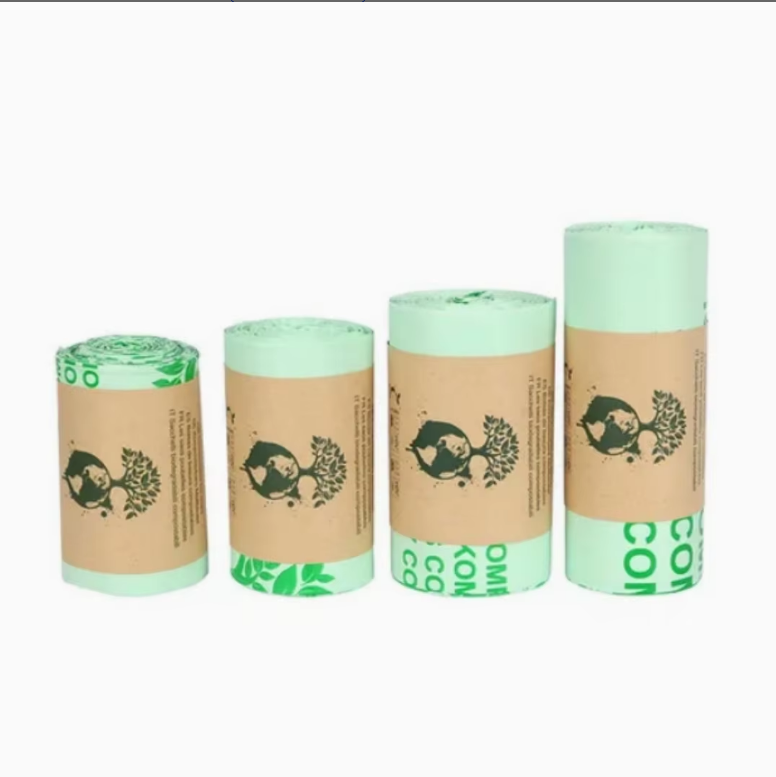
Compostable Packaging: This is an "enhanced version" of biodegradation. Compostable bags meeting EN13432 or ASTM D6400 standards can completely transform within 180 days under industrial composting conditions.
-
Core Materials: Polymerized from corn starch, PLA (Polylactic Acid), and PBAT.
-
-
PCR (Post-Consumer Recycled) Plastic Bags: This is the most advocated solution in the circular economy. Old plastic is recycled and reprocessed into pellets for production. It doesn't change consumer habits but significantly reduces the carbon footprint.

II. Technical Comparison: Is Eco-Friendly Packaging Really "Good to Use"?
Many brands worry that eco-friendly materials might not match traditional PE plastic in load-bearing or freshness preservation. As a source factory, we provide a direct comparison using lab data:
-
Physical Performance Comparison:
-
Tensile Strength: Improved PBAT+PLA materials have flexibility very close to LDPE (Low-Density Polyethylene) and even perform better in tear resistance, making them excellent for courier bags and shopping bags.
-
Transparency: Traditional PLA tends to be matte/frosted, but by adding special additives, we can produce highly transparent biodegradable bags suitable for clothing and gift display.
-
-
Shelf Life Management:
-
Traditional plastic bags essentially don't expire. Biodegradable bags typically have a shelf life of 10-12 months. We add stabilizers during production to help clients extend storage periods and reduce warehouse losses while ensuring degradability.
-
III. Global Policy Interpretation: Is Your Product Compliant for Export?
As an export-oriented plastic bag factory, we advise clients to pay close attention to legal standards in target markets, as this directly affects risks of fines or customs detention.
-
European Market: Highly favors compostable (especially Home Compostable) and high-percentage PCR content.
-
North American Market: Regions like California strictly scrutinize "degradable" labels. Products must have certifications from relevant authorities (e.g., BPI certification).
-
Oceania Market: Australia and New Zealand are fully phasing out non-eco plastic bags and transitioning to compostable solutions.
IV. The Brand's "Hidden Cost": Why Green Packaging Brings Higher Returns
Although eco-friendly materials cost 30%-80% more per unit than traditional plastic, it's a highly effective investment in the long run:
-
Brand Premium: Brands using green packaging typically command a price premium 15% higher than similar products.
-
Avoiding Environmental Taxes: Countries like the UK and Italy have begun imposing high taxes on non-recycled plastic. Using PCR or degradable materials directly hedges this cost.
V. Factory Perspective: How to Customize Your Green Transition Plan?
On our production line, we can provide phased transition advice:
-
Phase 1: Thinning: Upgrading production equipment to use high-strength resin, reducing bag weight without sacrificing strength. This is the most direct way to cut carbon and costs.
-
Phase 2: Introducing PCR Content: Suggest starting with 30% PCR. This has a minimal cost impact but allows products to bear the "Recycled Content" eco-label.
-
Phase 3: Full Degradation: Customize fully degradable packaging for high-end product lines. We provide one-stop technical support from film blowing, printing to bag making, and assist in applying for relevant international standard certificates.
Conclusion: Embrace Change, Lead the Future
The future of the packaging industry belongs not to disruptors, but to restorers. As a plastic bag manufacturer with independent R&D capabilities, we not only provide products but are also committed to offering tailored sustainable solutions for global companies. In this challenging era, packaging should not be a burden for brands but a bridge connecting consumer emotions with environmental concepts. If you have any needs or questions about our products, please feel free to contact us. Our professional team is ready to assist you.
How to Optimize Your Brand’s Cost and Sustainability from the Production Source?
The Temperature of Packaging: Why High-Quality Plastic Packaging Empowers Your Business
Related Article