Complete Guide to the Plastic Bag Industry: Material Differentiation, Selection Criteria, and Eco-Transition
Plastic bags are indispensable in modern commerce and daily life, permeating every corner from supermarket shopping to food portioning, from waste collection to industrial transport. However, faced with a dazzling array of plastic bag products on the market—varying in material, purpose, and environmental attributes—both corporate buyers and individual consumers can find it perplexing. As a plastic bag factory with many years of experience, we have summarized our industry expertise. This article will provide you with a one-stop guide from three dimensions: material differentiation, selection criteria, and eco-transition.
I. Raw Material Differentiation
Over 90% of commercial plastic bag raw materials are primarily polyethylene (PE), divided into three main categories: HDPE, LDPE, and LLDPE. In addition, there are fully biodegradable PLA+PBAT eco-materials. The differences in toughness, transparency, low-temperature resistance, and cost among these materials are enormous, and choosing the wrong material directly impacts user experience and export compliance.
-
HDPE (High-Density Polyethylene) – The Standard Material for Retail T-shirt Bags
HDPE is rigid, translucent, and slightly crisp to the touch. It offers strong load-bearing capacity at a low cost, making it the core raw material for common T-shirt bags in supermarkets, fruit shops, and convenience stores. The common white shopping carrier bags are mostly made of this material. Its advantages are low price and good shape retention, suitable for carrying fruits, vegetables, and daily necessities. Its disadvantage is poor stretchability; it tears easily when holding sharp, hard objects and is unsuitable for low-temperature refrigeration or for use as a thick food storage bag. -
LLDPE (Linear Low-Density Polyethylene) – The First Choice for Food Storage Bags and Thick Flat Bags
LLDPE offers high toughness, excellent stretchability, puncture resistance, and low-temperature resistance. It can be used for long-term storage of frozen meat and fresh produce and is a designated material for food-grade packaging. The household and retail food storage bags produced in our factory are all made from virgin LLDPE material, non-toxic and odorless, passing food contact material tests, and are suitable for cold chain logistics and ingredient portioning. Transparent flat bags used for clothing and hardware packaging also often use this material. They are waterproof, dustproof, and not easily damaged by repeated pulling, making them the most commonly used material for export orders. -
LDPE (Low-Density Polyethylene) – Soft Industrial Packaging Bags and Thin Storage Bags
This material is soft and highly transparent, mostly used for lightweight inner packaging. Its load-bearing capacity is weak, so it is seldom used alone for shopping bags; it is generally used as an inner layer in composite films. There is less independent sourcing demand for this material in foreign trade. -
PLA+PBAT Fully Biodegradable Material – Eco-Compliant Bags for Export to Europe and America
Made from plant-based raw materials like corn and cassava, these bags fully decompose into carbon dioxide and water in a composting environment, leaving no microplastic residues. They comply with the EU PPWR packaging regulations and the plastic restriction policies of many countries. Degradable T-shirt bags, takeaway bags, and fresh-keeping produce bags can all be produced with this material. The disadvantage is the higher raw material cost compared to ordinary PE bags, which is a consideration for buyers with strict environmental compliance requirements.

II. Classification of Mainstream Plastic Bag Products and Industry Application Scenarios
Based on foreign market demand, we divide commercial plastic bags into four main categories, covering procurement needs across industries, while also offering a one-stop supply of complementary paper packaging to reduce the hassle of dealing with multiple suppliers.
-
T-shirt Bags (Carrier Bags)
This is the most in-demand general packaging in the industry. It comes in three main series: standard HDPE, thick LLDPE, and biodegradable eco-friendly versions. Custom printing with single or full colors is supported. They are suitable for fresh food supermarkets, clothing stores, food delivery, and small commodity retail. The thickened versions can carry heavy loads of up to 5-10 kilograms, ideal for wholesale purchasing by wet markets and fresh food chain stores. -
Food Storage Bags
These are divided into three types: roll-type household storage bags, flat food portioning bags, and specialized freezer bags. All are made from food-grade virgin materials, resistant to temperatures as low as -20°C, with good sealing properties to lock in freshness and prevent leakage. They are suitable for portioning meat, fruits, vegetables, and baked goods. Supermarkets, food processing plants, and cross-border household goods retailers maintain stable stock levels year-round. -
Transparent Flat Plastic Bags
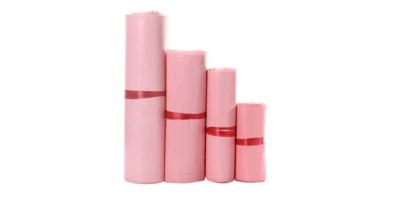
These are cut from flat tubing without handles. They are highly transparent and offer protection against dust and moisture. Widely used for packaging clothing, accessories, hardware parts, and electronic products, they can be customized with zipper or heat-seal closures. Sizes can range from mini item packaging to large logistics wrapping. They are extremely popular for cross-border e-commerce shipping. -
Functional Plastic Bags + Complementary Paper Packaging
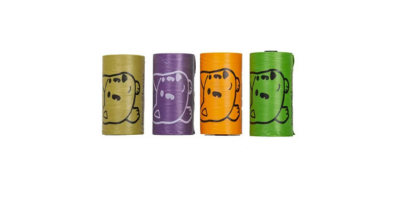
Functional types include drawstring trash bags, dog waste bags, and industrial thick inner liner bags. Paper packaging includes kraft paper carrier bags, grease-proof takeaway bags, corrugated shipping cartons, and gift boxes. With integrated plastic and paper production, buyers can simultaneously procure plastic packaging bags and shipping cartons, consolidating them into full container shipments to reduce overall logistics costs.

III. Common Pitfalls in Foreign Trade Plastic Bag Procurement
-
Focusing Solely on Low Prices and Ignoring Material Quality
Some factories add large amounts of recycled scrap material to cut costs, resulting in bags that are thin, brittle, easily torn, and have strong odors. Packaging intended for food contact cannot pass food safety tests in various countries if made with recycled materials. -
Mismatching Materials with Application Scenarios
Choosing HDPE T-shirt bags for frozen produce orders—the bags will harden and crack at low temperatures. Using thin LDPE bags for heavy supermarket purchases—they will break and cause spillage during transport. -
Confusing Minimum Order Quantities and Lead Times, Disrupting Stock Planning
Trading intermediaries without their own production lines outsource orders, leading to highly variable delivery times. In contrast, scaled factories with their own fully automated blown-film, printing, and bag-making lines can handle both small trial orders and large full-container orders, with standardized production scheduling ensuring stable and controllable delivery times.
IV. Conclusion
We are a factory with over ten years of experience, with standardized processes and procedures to ensure quality is effectively guaranteed. If you have procurement needs for plastic bags, you can choose to trust us. Our professional team will receive you, answer your questions, and help resolve any difficulties.
Distinguishing Pseudo-Degradable from Compliant Eco-Friendly Bags: Popular Science Insights from a Source Factory
How Geopolitical Conflicts Are Reshaping the Procurement Cost and Future of Plastic Bags
Related Article