
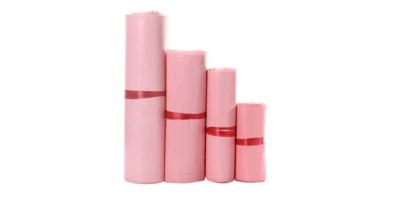
About the universal use of dog poop bags to protect the environment
2025-09-10
Biodegradable Dog Poop Bags: A Small Step for Pet Owners, a Giant Leap for Environmental Protection
LONDON, September 10, 2025 – For millions of pet owners worldwide, picking up after their dogs is a daily responsibility—but the choice of bag used for this task is quietly becoming a critical environmental issue. Traditional plastic dog poop bags, which can take up to 500 years to decompose in landfills, have long contributed to plastic pollution, clogging ecosystems and harming wildlife. Now, a growing movement toward biodegradable dog poop bags is offering a sustainable solution, with experts hailing them as a simple yet impactful way to reduce plastic waste and protect the planet.
The Hidden Cost of Traditional Plastic Bags
Each year, an estimated 3.5 billion plastic dog poop bags are used globally, according to a 2024 study by the International Union for Conservation of Nature (IUCN). Unlike regular plastic grocery bags, which are often recycled or reused, dog waste bags are contaminated with organic matter, making them unrecyclable. Most end up in landfills, where they break down into microplastics—tiny particles that seep into soil and groundwater, or are carried by rain into rivers and oceans.
“These microplastics don’t just disappear,” explains Dr. Elena Marquez, an environmental scientist at the University of Oxford’s Plastic Pollution Research Centre. “They accumulate in the food chain: fish eat them, birds eat the fish, and eventually, they can even end up in human food. For dogs themselves, there’s also a risk—if they sniff or ingest microplastics from contaminated soil, it can cause digestive issues or long-term health problems.”
The problem is particularly acute in urban areas. In New York City, for example, the Department of Sanitation reports that dog waste accounts for 3.2% of all residential trash, with plastic bags making up nearly half of that volume. In coastal cities like Sydney and Barcelona, wind and rain often carry discarded poop bags into marine habitats, where sea turtles and seabirds mistake them for jellyfish or food, leading to choking or starvation.
Biodegradable Bags: How They Work
Biodegradable dog poop bags are made from plant-based materials like cornstarch, cassava, or sugarcane—substances that break down naturally in the environment. Unlike traditional plastics, which are derived from petroleum and resist decomposition, these bags are designed to decompose within 3 to 6 months in composting conditions (warmth, moisture, and microorganisms) and up to 12 months in regular landfills.
Crucially, they leave no toxic residues behind. When a biodegradable bag breaks down, it turns into water, carbon dioxide, and organic matter—substances that actually enrich soil rather than pollute it. Some brands even offer “compostable” bags, which meet strict standards (like the European EN 13432 certification) and can be added to home compost bins, where they break down alongside food scraps and yard waste.
“Consumers often confuse ‘biodegradable’ and ‘compostable,’ but both are far better than traditional plastic,” says Mark Taylor, CEO of EcoPet, a leading manufacturer of sustainable pet products. “Our compostable bags are tested to ensure they break down completely in home compost—no microplastics, no chemicals. For pet owners who don’t compost, our biodegradable bags still decompose much faster than plastic, so they don’t linger in landfills for centuries.”
Real-World Impact: Cities Leading the Charge
Cities around the world are starting to embrace biodegradable dog poop bags as part of broader waste-reduction efforts. In Berlin, Germany, the city government launched a “Green Paws” initiative in 2023, installing free dispensers of compostable dog poop bags in parks and residential areas. The program has already reduced plastic waste from dog waste by 40%, according to Berlin’s Environmental Agency.
In Vancouver, Canada, the city requires all dog waste bags sold in local stores to be either biodegradable or compostable. The rule, which took effect in January 2024, was supported by 78% of residents in a pre-implementation survey. “Pet owners want to do the right thing, but they need access to affordable, effective options,” says Vancouver Councillor Sarah Chen. “Since the rule passed, we’ve seen a 35% increase in the use of sustainable bags—and a noticeable decrease in plastic litter in our parks and beaches.”
Even smaller communities are joining in. In the village of Totnes, England, a group of local pet owners started a “Biodegradable Bag Swap” in 2022, where residents can trade empty plastic bags for free biodegradable ones at local pet shops. The initiative has since expanded to 12 nearby villages, diverting over 50,000 plastic bags from landfills.
Overcoming Barriers: Cost and Awareness
Despite their benefits, biodegradable dog poop bags still face two key challenges: cost and consumer awareness. On average, biodegradable bags cost 20 to 30% more than traditional plastic bags—a price difference that can deter budget-conscious pet owners. However, as demand grows and production scales up, prices are falling. EcoPet’s Taylor notes that his company’s biodegradable bags are now only 15% more expensive than plastic ones, down from 40% in 2020.
Awareness is another hurdle. A 2025 survey by the Pet Industry Federation found that 62% of pet owners in the UK had never heard of biodegradable dog poop bags, and 45% believed they were “not effective” at containing waste. To address this, retailers and manufacturers are stepping up education efforts. Petco, a major U.S. pet supply chain, now labels biodegradable bags with clear “Eco-Friendly” badges and provides in-store demos to show how they work.
“Education is key,” says Dr. Marquez. “Many pet owners think, ‘It’s just one bag—does it really matter?’ But when you multiply that by 3.5 billion bags a year, it matters a lot. Even small changes add up to big environmental wins.”
Looking Ahead: A Sustainable Future for Pet Owners
As concerns about plastic pollution grow, experts predict that biodegradable dog poop bags will become the norm rather than the exception. The global market for biodegradable pet waste bags is expected to grow by 22% annually between 2025 and 2030, according to market research firm Grand View Research—driven by consumer demand, government policies, and increased environmental awareness.
For pet owners like Emma Wilson, a London resident with two golden retrievers, the switch to biodegradable bags was a no-brainer. “I used to feel guilty every time I threw away a plastic bag,” she says. “Now, I know the bag will break down quickly, and I’m not contributing to pollution. It’s a small change, but it makes me feel like I’m doing my part for the planet—and for my dogs’ future.”
In a world grappling with climate change and plastic pollution, biodegradable dog poop bags prove that even the most routine tasks can be transformed into acts of environmental stewardship. As Dr. Marquez puts it: “Protecting the planet doesn’t have to be complicated. Sometimes, it’s as simple as choosing the right bag.”
Food packaging bags
Related Article
Choosing the right packaging materials is essential for product safety, brand image, and customer satisfaction. Factors like product type, shipping method, and environmental requirements guide material selection. From paper to eco-friendly options, the right packaging solution protects your product, enhances brand value, and meets evolving market demands.
How to Choose the Right Packaging Materials for Different Products? A Complete Guide
Custom packaging quality depends on strict color matching, precise dimensions, stable materials, and consistent printing. Common issues include color deviation, size errors, and surface defects. Solutions involve sample approval, structural testing, material control, and process monitoring. Professional production management ensures stable quality, protects products, and strengthens brand image.
Common Problems and Solutions in Packaging Production: How to Ensure Stable Custom Packaging Quality

Custom packaging is no longer just protection—it's a powerful branding tool. High-quality, eco-friendly, and personalized solutions enhance product value, consumer trust, and market competitiveness. From paper materials to tailored designs, the right packaging elevates brand image, improves unboxing experiences, and supports sustainable growth in today's global marketplace.
Custom Packaging Solutions: How to Choose High-Quality Packaging Products That Fit Your Brand's Growth
We control plastic bag printing color difference through three core processes: Pantone-standard ink formulation, calibrated production in temperature/humidity-controlled environments, and dual-instrument quality inspection (ΔE<1.5). Achieving ≥95% Pantone reproduction accuracy, we ensure batch-to-batch consistency, eliminating color deviation for brand-quality custom packaging in foreign trade orders.
How to Control Color Difference in Plastic Bag Printing